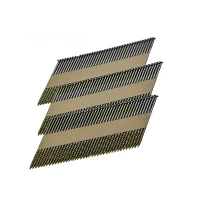
Coil nails, as an indispensable fastener in modern construction and woodworking, play an important role in many fields with their unique design and powerful functions. This article will introduce the uses, types and effective maintenance of coil nails in detail.
Main uses of coil nails
Coil nails, with their spiral shape and strong nail holding force, are widely used in the following fields:
1. Building structure: Coil nails are often used in building structures to provide support, especially when connecting heavy wood or building structural components.
2. Roof trusses: In roof construction, coil nails are used to fix trusses together to ensure the stability of the roof structure.
3. Floor truss installation: During the installation of floor trusses, coil nails are used to fix trusses to beams, which is essential for the structural integrity of the floor.
4. Deck construction: In deck construction, coil nails are used to fix deck boards to trusses, and their strong fixing force makes them a popular choice.
5. Woodworking connection: In woodworking projects, coil nails can be used to connect wood, especially in furniture or cabinet making where strong bonding is required.
6. Drywall Installation: Although less common, roll nails are sometimes used to secure drywall to wood framing.
7. Masonry and Concrete Applications: There are specialty roll nails designed for masonry and concrete applications. These nails have a hardened steel core that can penetrate concrete without bending.
8. Durability and Pullout Resistance: A key advantage of roll nails is their pullout resistance, which makes them suitable for applications where they may be exposed to moisture and other environments that may affect their integrity.
9. Versatility: Roll nails come in a variety of sizes and materials, suitable for a wide range of application scenarios, from softwood to hardwood, from light framing to heavy construction.
10. Environmental Considerations: Because roll nails can reduce the amount of wood required for construction and provide a stronger bond by reducing the use of fasteners, they are also considered a more sustainable construction practice.
Types of Roll Nails
1. Patterned Nails: A headless design is suitable for high-end decoration industries and leaves no nail marks after being driven.
2. Steel row nails: novel and unique design, suitable for furniture making, sofas, wooden boxes and various wooden products.
3. Code nails (K nails, code nails, N nails): used for sofa chairs, sofa fabrics and leather in the furniture manufacturing industry, used for ceilings, thin plates, etc. in the decoration industry, and used for outer thin plates in the wooden box industry.
4. Cement steel nails: similar in appearance to round nails, but with a slightly thicker head, can be directly nailed into concrete and brick walls.
5. Wood screws (wood screws): easier to combine with wood than other nails, mostly used in the combination of metal and other materials with wooden materials.
Maintenance of coil nails
In the process of using coil nails, correct maintenance is essential:
- Rinse: When using coil nails, it is necessary to rinse the coil nails, and ensure careful operation during the rinsing process to avoid any residue on the surface of the coil nails.
Through the above introduction, we can see the importance of coil nails in modern construction and woodworking. Choosing the right type of coil nails and performing proper maintenance can ensure the success of the project and the long-term use of coil nails.