

Galvanized Coil Nails
Why Choose Us
Professional manufacturing experience
With many years of experience in manufacturing metal products, we are able to provide customers with high quality metal products.
Technical strength
With a team of strong technical strength, we are able to continuously innovate and develop new metal products to meet the diversified needs of our customers.
Product quality
The company focuses on product quality control, from raw material procurement to manufacturing each link is strictly controlled to ensure that the products meet the relevant standards and customer requirements.
Service guarantee
We provide comprehensive pre-sale, in-sale and after-sale services, which can solve all kinds of problems and concerns for our customers, and ensure that they have a satisfactory shopping experience.


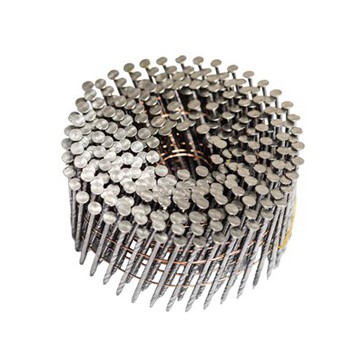

What is Galvanized Coil Nails
Galvanized coil nail is a kind of specially designed fastener used in construction and woodworking industry. It is made of high-quality steel wire, which is galvanized with a protective layer to provide exceptional durability and resistance to corrosion.
Advantages of Galvanized Coil Nails
Corrosion resistance
The zinc coating on galvanized coil nails protects the underlying steel from rust and corrosion. This is especially important in outdoor applications or in areas with high humidity, where moisture can cause unprotected nails to corrode rapidly.
Durability
Galvanized coil nails are exceptionally durable, thanks to their zinc coating. They can withstand harsh weather conditions and heavy use, making them ideal for a wide range of construction and DIY projects.
Cost effectiveness
Hile galvanized coil nails may be slightly more expensive than regular nails, their durability and corrosion resistance make them a cost-effective choice in the long run. You'll save money on replacements and maintenance, as these nails will last much longer than their non-galvanized counterparts.
Versatility
Galvanized coil nails are suitable for a variety of applications, including framing, siding, roofing, and fencing. Their corrosion resistance and durability make them an excellent choice for both indoor and outdoor projects.
Applications of Galvanized Coil Nails

Framing
Galvanized coil nails are perfect for framing projects because of their strength and resistance to corrosion. They can be used in both wood and metal framing, ensuring a sturdy and long-lasting structure.
Fencing
Fencing materials are often exposed to harsh weather and moisture, making galvanized coil nails a great option for these projects. Their corrosion resistance and durability help to keep fences strong and secure.
Siding
The durability of galvanized coil nails makes them an excellent choice for siding projects. Their corrosion resistance ensures that your siding will remain secure and protected from the elements for years to come.
Roofing
Roofing projects require nails that can withstand the elements and remain strong over time. Galvanized coil nails are an ideal choice, as their corrosion resistance ensures they will hold up against rain, snow, and other weather conditions.
Galvanizing method: Decide whether hot-dip or electro-galvanized nails are more suitable for your project based on the required corrosion resistance and finish.
Nail length: Choose the appropriate nail length based on the thickness of the materials you'll be working with.
Nail diameter
Consider the nail diameter to ensure a secure hold and avoid splitting the material.
Coil type
Choose between flat or conical coils based on your nail gun's compatibility and the specific application.
Collation material
Select a collation material (e.g., plastic, paper, or wire) that best suits your project and the working environment.
Features Galvanized Coil Nails
Material: Standard mild steel or high carbon steel.
Nail type: Flat or textured head, 40 to 67 degrees diamond point.
Shank: Smooth, ring or spiral.
Coil angel: 14, 15 16 degrees.
Collation type: Wire, copper or plastic type.
Surface treatment: Electro-galvanized, hot dipped galvanized.
Types of Galvanized Coil Nails
Electrogalvanized
Electrogalvanization is a process that applies a thin layer of zinc to the surface of the nail through electroplating. It involves immersing the nail in a zinc solution and passing an electric current through it, causing the zinc to adhere to the nail’s surface. Electrogalvanized roofing nails are known for their smooth and consistent appearance, making them visually appealing.
Hot dipped galvanized
Hot-dipped galvanization involves a more extensive process than electrogalvanization. Hot-dipped nails are dipped into a bath of molten zinc, which creates a thicker and more robust layer of zinc coating. As a result, hot-dipped galvanized nails offer superior corrosion resistance compared to electrogalvanized nails.
Notes on the Use of Galvanized Coil Nails
Select the proper size: Different projects and applications may require different sizes and lengths of galvanized coil nails. Ensure that you select the correct size for the task to ensure optimum fixing.
Check galvanized coating: Before use, check that the galvanized coating on galvanized coil nails is complete and even. Damaged or missing galvanized coating may affect its corrosion resistance.
Appropriate preload: When using galvanized coil nails, ensure that the appropriate preload is applied. Excessive tightness may result in material breakage, while excessive looseness may result in poor fixing.
Avoid excessive bending: Galvanized coil nails may break or lose their original fixing effect when subjected to excessive bending or twisting. Therefore, avoid excessive bending during installation.
Pay attention to safe operation: When using galvanized coil nails, be sure to follow the safe operation procedures. Avoid use in wet or unstable environments to prevent accidents.
Storage Precautions: Galvanized coil nails should be stored in a dry, ventilated area away from corrosive substances and direct sunlight. Improper storage may result in damage to the galvanized coating or deterioration of the material.
The durability of galvanized coil nails is relatively good, mainly due to the fact that they are coated with a layer of zinc. This zinc layer provides a certain level of rust and corrosion resistance, which extends the life of the coil nail. Especially in outdoor or humid environments, the corrosion resistance of galvanized coil nails is more effective.
However, the durability of galvanized coil nails is also affected by a number of factors. For example, if they are subjected to strong impacts or external forces during use, the nails may be damaged. In addition, if the production process is not rigorous or the quality of the material is poor, the durability of the coil nails may also be reduced.
In order to enhance the durability of galvanized coil nails, a number of measures can be taken. First, choose the right specification and size to avoid wrong usage such as over-piercing or over-tightening. Secondly, pay attention to waterproof and moisture resistance, which can be reinforced by sealant to ensure that the coil nails are not easy to rust and corrode. Finally, strengthen the care and maintenance, regular inspection and replacement of damaged parts, to avoid long-term accumulation and aggravate the damage.
Galvanized Coil Nails Safety Operating Procedures
Preparation before operation
Check the specification, size and quality of galvanized coil nails to ensure that it meets the requirements for use.
Prepare necessary tools and equipment, such as hammers, wrenches, nail coiling machines, etc., and ensure that these tools and equipment are in good condition.
Understand the safety conditions of the work environment and ensure that the work area is clean, dry and free from obstructions.
Safe operation
Wear proper protective equipment such as gloves, safety glasses, etc. to prevent accidental injury when working with galvanized coiled nails.
When using the nailer, follow the operating instructions of the equipment to ensure proper and safe use.
When perforating or tightening rolled nails, maintain a stable posture and strength to avoid accidental injury from excessive force or excessive perforation.
If the spool nail is damaged or badly rusted, it should be replaced in time to avoid using damaged spool nails that may cause safety accidents.
Post operation treatment
After completing the work, the work area should be cleaned up in a timely manner and the waste should be disposed of properly.
Check and maintain the used tools and equipment to ensure that they are in good condition for the next use.
Precautions
Galvanized coil nails should be stored in a dry, ventilated place to avoid moisture and corrosion.
When using galvanized coil nails, attention should be paid to fire prevention and explosion-proof, avoid using in flammable and explosive places.
If galvanized coil nails are found to have quality problems or safety hazards, they should be reported to the relevant departments for timely handling.
Maintenance Tips for Galvanized Coil Nails
Keep dry: Galvanized coil nails are prone to rust in a humid environment, so they should be kept dry when stored and used. If they are not used for a long time, it is recommended to store them in a dry and ventilated place to avoid moisture.
Avoid collision: Galvanized coil nails should be avoided to collide with other hard objects in the process of using, so as not to damage the galvanized layer, resulting in rust.
Regular inspection: Check the integrity of galvanized nails regularly, if rust or damage is found, it should be dealt with in time.
Correct use: When using galvanized coil nails, should be in accordance with the correct method of use, to avoid excessive force or improper use resulting in damage.
Cleaning and maintenance: If there is oil or dust on the surface of galvanized coil nails, they should be cleaned in time. You can use a soft cloth to wipe, you can also use the appropriate cleaning agent to clean. However, it should be noted that the cleaning agent should not contain strong acid or alkali components, so as not to damage the galvanized layer.
What Are the Storage Requirements for Galvanized Nails?

Dry environment
Galvanized coil nails should be stored in a dry, well-ventilated place, avoiding humidity and moisture. Because the humid environment may lead to corrosion of the galvanized layer, affecting the quality and service life of the coil nails.
Avoid high temperature
Although galvanized has certain corrosion resistance, too high temperature may damage the galvanized layer and cause the coil nail to rust. Therefore, avoid exposing galvanized nails to high temperatures, such as direct sunlight or near heat sources.
Prevent mechanical damage
Galvanized nails should be stored and handled to avoid mechanical damage, such as collision, scratching and so on. These damages may cause damage to the galvanized layer, making the nails easy to rust.
Separate storage
Different types of nails should be stored separately to avoid confusion. At the same time, should avoid galvanized coil nails and corrosive substances together to prevent chemical corrosion.
Regular Inspection
Stored galvanized coil nails should be inspected regularly for rust, deformation or other damage. If necessary, they should be dealt with in time.
Reasonable stacking
Nails should be stacked neatly, avoiding heavy pressure or excessive squeezing to prevent deformation or damage.
Application Areas of Galvanized Coil Nails
In the construction industry, roll nails are mainly used for nailing timber, nailing safety nets, connecting sidings, fire boards, etc., as well as connecting and fixing buildings, such as nailing eaves, light steel keel, nailing wooden floors, etc.
In the manufacturing industry, roll nails are mainly used in the production of paper products and packaging boxes, such as binding notebooks, sample books, movie tickets and so on.
In the printing industry, coil nails are mainly used for binding albums, manuals, drawings, etc., which can be connected to multiple sheets of paper, making the handling of printed materials more convenient and flexible.
In the stationery industry, coil nails are widely used for binding notebooks, photo albums, calendars, etc. Meanwhile, due to their removable advantages, coil nails are also used for making various handicrafts, such as hairpins, bows, etc., and they can even be used to make various beautiful decorations by changing the length, folding and cutting.
In addition, galvanized coil nails are also often used in automotive production, electronics industry, and people's lives in various fields, such as furniture manufacturing, electrical appliances industry.
It should be noted that when using galvanized coil nails, excessive hammering should be avoided to avoid damaging the galvanized layer.
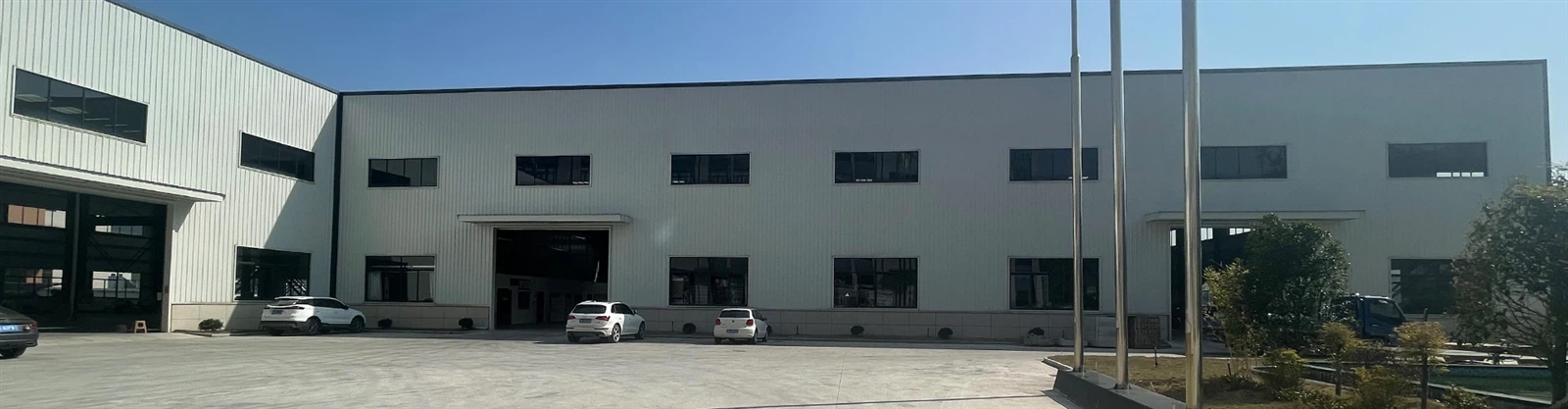
Our factory
The factory is located in the beautiful green eco-city of Zhejiang Suichang, with superior geographical location and convenient transportation.The production of various specifications of thread, ring pattern and smooth rod coil nails, the production of a variety of conventional nails and non-standard nails.The certificates we have passed include:China Compulsory Certofocation.China Metrology Accreditation.China National Accreditation Service for Conformity Assessment.ilac mutual recognition arrangement.
Certificate

FAQ
We're well-known as one of the leading galvanized coil nails manufacturers and suppliers in China. We warmly welcome you to buy high quality galvanized coil nails for sale here from our factory. For more information, contact us now.
2 Inch Galvanized Coil Nails, Hot Dipped Coil Nails, 3 Inch Galvanized Coil Nails