

Bulk Nails
Why Choose Us
Professional manufacturing experience
With many years of experience in manufacturing metal products, we are able to provide customers with high quality metal products.
Technical strength
With a team of strong technical strength, we are able to continuously innovate and develop new metal products to meet the diversified needs of our customers.
Product quality
The company focuses on product quality control, from raw material procurement to manufacturing each link is strictly controlled to ensure that the products meet the relevant standards and customer requirements.
Service guarantee
We provide comprehensive pre-sale, in-sale and after-sale services, which can solve all kinds of problems and concerns for our customers, and ensure that they have a satisfactory shopping experience.


What is Bulk Nails
A bulk nail is an ordinary nail without any attachments. It is commonly used to position and secure wood, stay boards and other softer materials. Bulk nails come in different sizes and weights and are categorized according to different uses. It is widely used in many industries such as construction, remodeling, furniture, and wood products.
Advantages of Bulk Nails
Flexibility: Bulk nails are often sold in individual or small packages, which allows users to purchase the right amount of nails for their specific needs, rather than being forced to buy large quantities of unused nails. This flexibility makes bulk nails useful in a variety of scenarios, whether it's a home DIY project, a small repair job or a large construction project.
Cost Effectiveness: Bulk nails are often less expensive than nails sold pre-packaged or in bundles. For those who only need a small amount of nails, purchasing bulk nails can save money. In addition, since bulk nails are usually priced by weight or quantity, users can compare prices from different suppliers to find the most cost-effective purchase option.
Easy to store and carry: Bulk nails are usually small in size, making them easy to store and carry. Users can keep them in a toolbox, drawer or bag for easy access when needed. In addition, bulk nails are easier to transport and distribute because they usually do not require additional packaging or containers.
Environmentally friendly: Buying bulk nails helps reduce waste and packaging waste, which is more environmentally friendly. Compared to pre-packaged nails that require additional packaging and containers, bulk nails have a lower environmental impact during production and distribution.
Wide applicability: Bulk nails are suitable for use on a wide range of different types of materials and surfaces, such as wood, metal and plastic. This makes bulk nails widely applicable in many different construction, renovation and DIY projects.

Bulk nails are widely used in construction projects and are the most commonly used type of steel nails. These nails have a thicker and larger smooth shank, wide head, and a diamond-shaped point. They are perfect for framing, carpentry, wood structural panel shear walls, and other general indoor construction projects. We offer Bulk nails in various lengths and diameters and provide our customers with the option to choose different nail shank and point types. We can also coat nails in various finishes upon request. Trust us to provide you with high-quality Bulk nails that meet your specific construction needs.
Finish: Bright, Electro Galvanized, Hot Dip Galvanized.
Point type: Diamond, Blunt Diamond, Blunt Chisel, No-Point.
Shank type: Smooth, Ring, Spiral.


Moisture resistant storage: Bulk nails are made of metal and are susceptible to moisture and rust, therefore they should be stored in a dry and ventilated environment and not exposed to humid air to prevent moisture from penetrating inside the bulk nails.
Avoid direct sunlight: Bulk nails should be kept out of direct sunlight because sunlight can damage the grease and coating on the surface of bulk nails, which in turn can lead to rusting.
Sort and store: Bulk nails can be sorted according to different materials and sizes for easy future use and management.
Maintenance of Bulk Nails
Regular Inspection
Regularly inspect the surface condition of bulk nails and replace them if they are rusted or damaged.
Apply grease
A certain amount of grease should be applied to the bulk nails before use to minimize friction and to prevent rust and corrosion.
Use a proper wrench
Use a wrench of the right size to avoid damaging the bulk nails or the wrench itself when applying force.
Bulk Nail Precautions
As a common hardware tool, bulk nails are often used in our daily life and work. Although bulk nails may seem simple, there are still some precautions needed when using them to ensure safety and work efficiency.
Choose the right bulk nails: Bulk nails come in different sizes and types, such as round nails, flathead nails, square nails, etc. We need to choose the right bulk nails according to our actual needs. Generally speaking, larger bulk nails are suitable for larger wood members, while smaller bulk nails are suitable for smaller members. Also consider the nature of the material, for example, if metal components are to be fastened, stainless steel nails would be a better choice.
Getting the right bulk nail hammering technique: When hammering bulk nails, you need to use the right amount of force and technique. Generally speaking, if you hammer too hard, you may damage the component or cause the bulk nails to go into an unstable position; while hammering too little may result in the bulk nails not being fully secured. Therefore, when using a nail hammer, care should be taken to maintain a steady rhythm and force to ensure that the bulk nails are securely fastened in the desired position.
Choosing the right hammer: Bulk nails need to be driven with a hammer, so it is important to choose a suitable hammer. For large bulk nails, choose a heavier hammer to increase the force of the strike; for smaller bulk nails, use a lighter hammer to avoid damage from excessive hammering.
Accurate Positioning: Before using bulk nails, you need to make sure that they are positioned accurately. This means determining where the bulk nails need to be fastened and measuring and marking them with a marker or ruler. Careful positioning helps to avoid deviations when nailing bulk nails, which can prevent the bulk nails from being fixed in the correct position.
Bulk Nail Operating Procedures

Safety preparation
• Wear appropriate protective equipment such as safety glasses, gloves and non-slip shoes.
• Check the work environment to ensure that there are no clutter or obstacles that could affect balance or cause falls.
• Ensure that there is adequate lighting so that nails and other materials can be clearly seen even in poorly lit environments.
Checking tools
• Inspect hammers or other tools used for nailing before use to make sure they are in good condition and have no damaged or loose parts.
• Select the right size hammer to match the size of the nails to be used.
Selecting nails
• Select the right type (e.g. common nails, steel nails, air nails, etc.) and size of nails for the job required.
• Make sure nails are not bent, rusted or damaged.
Placing nails
• Place bulk nails on a smooth surface, such as a workbench or board, for easy access.
• Avoid placing nails loose on the floor or other unstable areas to prevent falls or accidental injury.
Nail handling
• Use one hand to stabilize the work object (e.g., wood, wall, etc.) and the other hand to hold the hammer.
• Place the nail in the intended position, making sure it is perpendicular to the surface of the work object.
• Gently tap the head of the nail with the hammer to gradually embed it in the workpiece.
• Adjust the depth and angle of the nail as necessary to ensure a firm fixing.
Clean up the work
• Upon completion of work, clean up work area and collect all loose nails to prevent injury to others.
• Store tools and unused nails properly for next use.
Caution
• Avoid working on wet or slippery surfaces to minimize the risk of falls.
• If working for long periods of time, take regular breaks to prevent excessive fatigue.
• Follow all safety guidelines and operating procedures to ensure the safety of yourself and others.

Common Types of Bulk Nails
Flat head nails
Flat head nails have a flattened head and are usually used for the fixing of harder materials such as walls, concrete, etc.
Pointed nails
Pointed nails head is pointed cone, this is the most common type of nails, suitable for wood, fiberboard and other materials fixed.
Round head nails
Round head nails head is round, usually used for decoration, such as fixing picture frames, wall hangings and so on.
Baked nails
Baked nails head after special treatment, the surface of the baking paint spraying, with the advantages of not easy to rust, suitable for outdoor and humid environment of the fixed.
Woodworking nails
Woodworking nails are specially used for fixing wood, the head is usually in the shape of V or diamond.
Ground Nails
The head of ground nails is in the shape of V, used for fixing tents, sunshades and so on.
Cable nails
Cable nails with semi-circular head, specially used for fixing cables.
Pendant Nails
Pendant nails have a U-shaped or hook-shaped head and are used for fixing pendants.
Screws
Screws have a threaded head shape and are usually used to secure metal materials.
How to Judge the Quality of Bulk Nails Good or Bad
Appearance
Appearance is the first step to judge the quality of bulk nails, generally speaking, the appearance of good bulk nails should be relatively smooth, no bumps and depressions on the surface, no cracks and obvious oxidation and rust. In addition, the surface of good bulk nails is usually engraved with the manufacturer and factory name for better traceability of quality issues. If there are any defects on the appearance as mentioned above, then the quality of such bulk nails may be bad.
Material
The material of the bulk nails is also one of the most important factors in determining their quality. Good bulk nails should usually be made of pure steel, with a relatively uniform quality and no obvious inclusions or impurities, while poor quality bulk nails often have these problems. In addition, good bulk nails should also be able to meet the requirements of steel furnace temperature, tensile and bending and other indicators in terms of material.
Production process
Production process is also an important factor in determining the quality of bulk nails, good bulk nails should usually be after a strict production process and manufacturing process. Production of bulk nails manufacturers should generally have the relevant qualifications and production norms of enterprises, the production process should be able to strictly control the process to ensure product quality.
Material analysis
• Metal type nails are usually made of steel, stainless steel, copper or other alloys. Different materials vary in corrosion resistance, strength and hardness. For example, stainless steel nails are usually more resistant to corrosion than regular steel nails.
• Carbon Content For steel nails, carbon content affects their hardness and brittleness. Low-carbon steel nails are easy to form, but may not be as strong as high-carbon steel nails.
CoatingSome nails may be coated with galvanizing, paint, or other anti-corrosion coatings, which can increase their durability.
Manufacturing process
• Manufacturing methods Understand how nails are manufactured, including steps such as cutting, molding, and heat treating. Incorrect manufacturing processes can lead to defects within the nail, affecting its durability.
• Quality ControlThe manufacturer's quality control measures are critical to the quality of the product. Quality manufacturers screen raw materials, strictly monitor the manufacturing process, and rigorously test finished products.
Environment
• Climatic conditionsHumid, hot or cold environments may negatively affect the durability of nails, leading to corrosion or material degradation.
• Chemical substances Nails may be exposed to chemicals (e.g. acids, alkalis, etc.) that can cause corrosion and thus affect their durability.
• Load conditionsThe weight and force to which a nail is subjected can affect its service life. Heavy loads can accelerate nail wear and breakage.
Usage
• Correct Installation Correct installation is essential to ensure the durability of the nail. Incorrect installation may result in uneven force being applied to the nail, leading to premature failure.
• Maintenance Regular inspection and maintenance of nails can extend their life. For example, replace or dispose of them promptly when signs of corrosion are detected.
Testing and evaluation
• Laboratory Tests The mechanical properties of nails can be evaluated through laboratory tests such as tensile tests, bending tests and impact tests.
• Field testing monitors nails over time in actual use environments to collect real-world data on their durability.
• User feedback collects user feedback on the durability of nails in order to understand how they perform in actual use.
Comparison and selection
• Different Brands Compare and contrast different brands and models of nails to find a balance in terms of price, quality and performance.
• Long-term benefitsConsider the long-term benefits and choose nails that have better durability and lower maintenance costs, although the initial cost may be higher.
Bulk Nail Materials
Mild Steel: Commonly used to make carpentry nails, these nails are suitable for fixing into softer materials such as wood as they are less hard, easier to hammer into and less likely to split the wood.
Q195 or Q235: This is the type of steel commonly used for common nails, suitable for general joining needs and relatively low cost.
Medium Carbon Steel (e.g. 45# steel, 60# steel): Used in the manufacture of cement nails or other nails that require a higher degree of hardness and strength, and are suitable for fixing into hard materials such as concrete and brick walls. These nails are hardened to a high degree of hardness to better grip hard surfaces.
Brass Nails: Used where corrosion resistance is required, such as in ship construction, high-end furniture, or in environments where there is contact with chemicals.
Plastic Nails: One of the cheapest options for fastening lightweight materials such as foam boards, thin plastic film, etc. They do not rust and cause little damage to the material being fastened.
Our factory
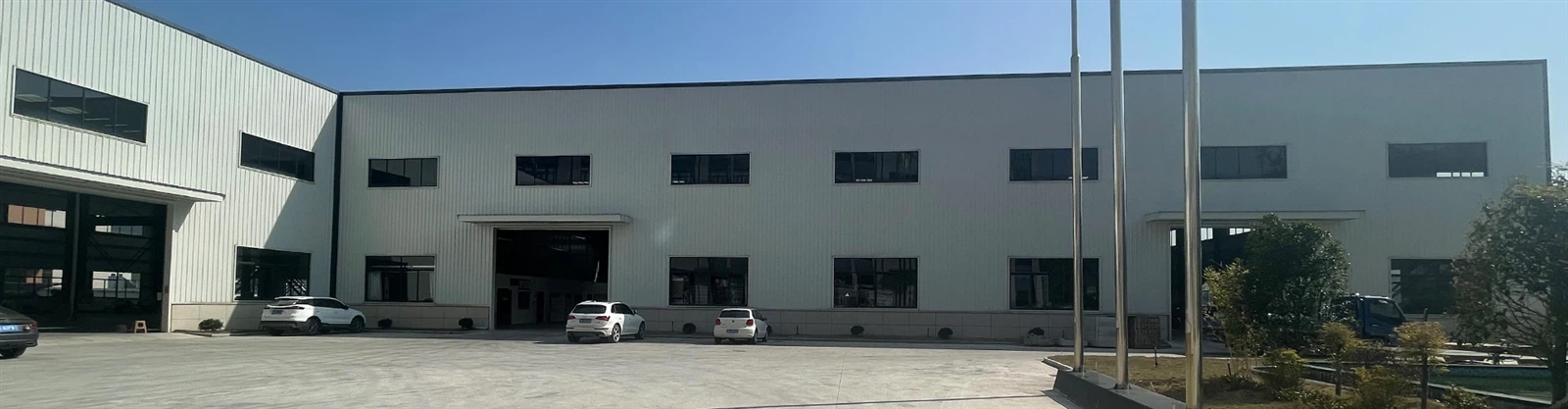
The factory is located in the beautiful green eco-city of Zhejiang Suichang, with superior geographical location and convenient transportation.The production of various specifications of thread, ring pattern and smooth rod coil nails, the production of a variety of conventional nails and non-standard nails.The certificates we have passed include:China Compulsory Certofocation.China Metrology Accreditation.China National Accreditation Service for Conformity Assessment.ilac mutual recognition arrangement.
Certificate

FAQ
We're well-known as one of the leading bulk nails manufacturers and suppliers in China. We warmly welcome you to buy high quality bulk nails for sale here from our factory. For more information, contact us now.
jungle gym nails, fiberboard nails, Bulk Nails