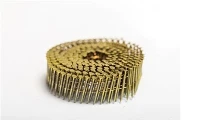
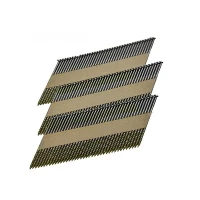
Coil nails, also known as helical nails or spiral nails, are a type of fastener that is widely used in construction and woodworking due to their unique design and strength. Here's an overview of what coil nails are used for:
1. Structural Support: Coil nails are commonly used in construction for providing structural support. Their spiral shape allows them to grip wood fibers tightly, making them ideal for joining heavy timbers or creating strong connections between different parts of a structure.
2. Roof Truss Construction: In the roofing industry, coil nails are used to secure trusses together. The nails' spiral shape provides a strong hold, ensuring that the trusses remain stable and secure over time.
3. Floor Joist Installation: When installing floor joists, coil nails are used to attach the joists to the beams. They offer a quick and secure method of fastening, which is crucial for the structural integrity of the floor.
4. Deck Building: In deck construction, coil nails are used to attach decking boards to the joists. Their holding power is superior to that of traditional nails, which makes them a popular choice for this application.
5. Wood Joinery: For woodworking projects, coil nails can be used to join pieces of wood together. They are particularly useful in situations where a strong bond is needed, such as in the construction of furniture or cabinetry.
6. Drywall Installation: In some cases, coil nails can be used for attaching drywall to studs. However, this is less common due to the potential for the nail heads to tear the paper covering on the drywall.
7. Masonry and Concrete Applications: Although less common, there are specialized coil nails designed for use in masonry and concrete applications. These nails have a hardened steel core that can penetrate concrete without bending.
8. Durability and Resistance to Withdrawal: One of the key advantages of coil nails is their resistance to withdrawal. This makes them suitable for outdoor applications where nails may be exposed to moisture and other elements that could compromise their integrity.
9. Versatility: Coil nails come in various sizes and materials, allowing them to be used in a wide range of applications. From softwoods to hardwoods, and from light framing to heavy construction, there's a coil nail suitable for nearly every job.
10. Environmental Considerations: Coil nails are often preferred over other types of fasteners because they can reduce the amount of wood needed for construction. By providing a strong bond with fewer fasteners, they contribute to more sustainable building practices.
In conclusion, coil nails are a versatile and robust fastening solution that offers superior holding power and resistance to withdrawal. Their unique design makes them an excellent choice for a variety of construction and woodworking applications where strength and durability are paramount.