Coil nailers and roofing nailers are both types of powered nail guns used in construction, but they are designed for different applications and have distinct features that make them suitable for their respective jobs.
Here are the main differences between coil nailers and roofing nailers:
Coil Nailer:
Nail Type: Coil nailers use nails that are collated (attached together) in a spiral or helical coil. This allows for a higher capacity of nails per load, often several hundred.
Nail Size: They typically drive nails ranging from 1-1/4 inches to 2-1/2 inches or longer, depending on the model.
Application: Coil nailers are versatile and can be used for a variety of applications, including framing, siding, decking, and fencing. They are not specialized for any one task.
Design: They often have a more robust and heavier design due to their higher power requirements for driving larger nails.
Magazine: The nail magazine on a coil nailer is cylindrical, allowing for a compact and high-capacity nail load.
Firing Mechanism: Most coil nailers are capable of both sequential firing (each trigger pull fires one nail) and bump firing (holding the trigger and bumping the gun against the material fires nails rapidly).
Roofing Nailer:
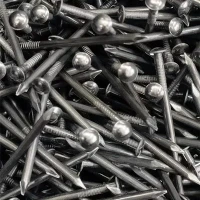
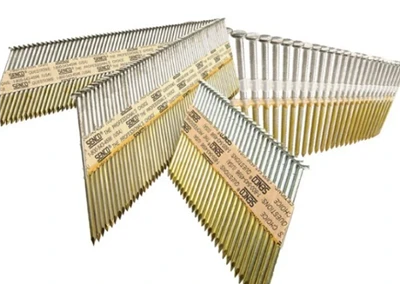
Nail Type: Roofing nailers use nails that are collated in a straight or offset line. This is because roofing nails are typically shorter and have a larger, flat head to hold shingles in place.
Nail Size: They are designed to drive nails that are usually 1-1/4 inches to 1-3/4 inches long, which is the standard size for roofing applications.
Application: Roofing nailers are specialized tools designed specifically for installing shingles and other roofing materials.
Design: They are often more lightweight and ergonomic, as they are designed for use in awkward positions on rooftops.
Magazine: The magazine on a roofing nailer is often a strip or band that holds the nails in a straight line.
Firing Mechanism: Roofing nailers typically operate in a sequential firing mode, which provides better control when placing nails in a precise pattern, such as when installing shingles.
In summary, the choice between a coil nailer and a roofing nailer depends on the specific task at hand. If you're working on a roofing project, a roofing nailer is the appropriate tool due to its specialized design. For a variety of other construction tasks, a coil nailer offers the versatility and power needed for different nail sizes and materials.