What makes a roofing nailer different from any other type of nail gun? The difference is in the detail. Roofing guns are built to drive nails that are appropriate for most types of asphalt and fiberglass shingles, waterproof tar paper and insulation board. Whether you are installing a new roof, or re-roofing, roofing nailers are built specifically for what they are named.
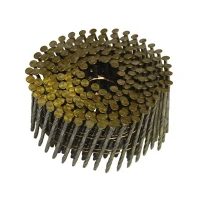
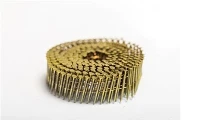
A key feature shared between roofing guns, they are designed to drive coil nails - coil roofing nails to be precise. By using coil nails, roofing nailers can go longer between refills - reducing the need to stop and climb off a rooftop to refill the nailer's magazine. A coil magazine design also helps improve the tool's ergonomics, making it less awkward to maintain hold of while crawling around on a roof.
Don't be fooled, quality means everything when it comes to roofing nailers. Most roofing contractors use their tools every day during the peak roofing season, so it's vital that the tools you purchase are reliable and provide years of worry-free service. When it comes to roofing nailers, trust the people who know the industry best.
When installing roofing felt, cap coil nailers (also known as plastic cap nailers) are essential to any roofing operation. Cap nailers drive a coil nail in tandem with a plastic cap, providing additional holding strength and protection compared to standard nails.
When installing roofing felt, cap coil nailers (also known as plastic cap nailers) are essential to any roofing operation. Cap nailers drive a coil nail in tandem with a plastic cap, providing additional holding strength and protection compared to standard nails.
Next to roofing nailers, hammer tackers (hammer staplers) are a necessity for any installation where roofing paper will need to be laid before shingles are nailed into place. These slap staplers work the same way as a standard hammer, only instead of pounding a nail into place, the impact of a hammer tacker triggers the firing of a staple into the surface with which it makes contact.