In construction and manufacturing, common nails and pneumatic nails are two of the most widely used fasteners, yet many buyers remain confused about their core differences. This article breaks down their designs, applications, and industry trends to help you make informed decisions.
Design Differences: Material and Structural Contrasts
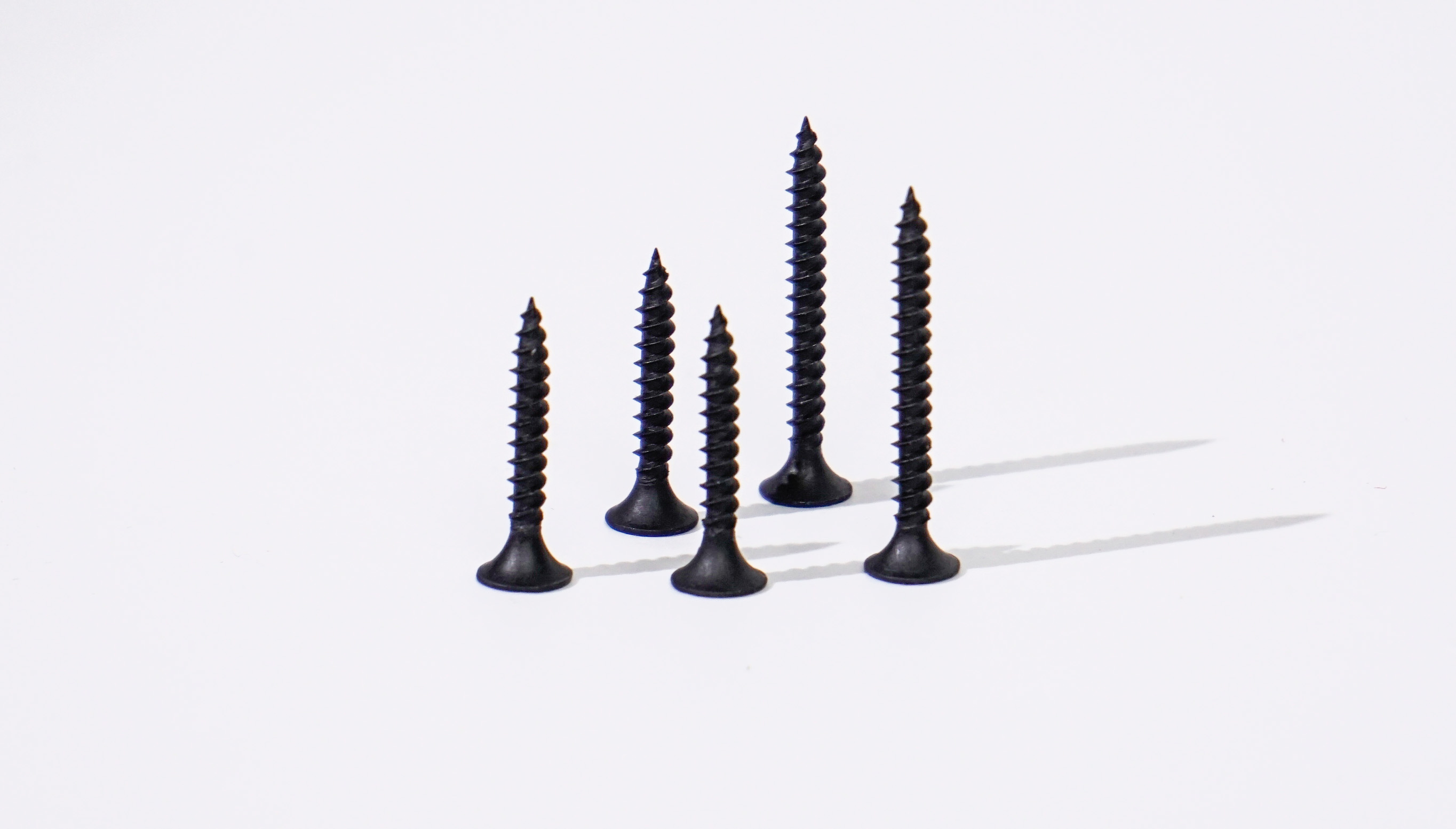
Common nails are typically made of low-carbon steel, featuring smooth or ringed shanks, with lengths ranging from 1 to 6 inches. Designed for manual hammering, their thick build (8-12 gauge) delivers high tensile strength but risks splitting softer woods due to excessive impact force.
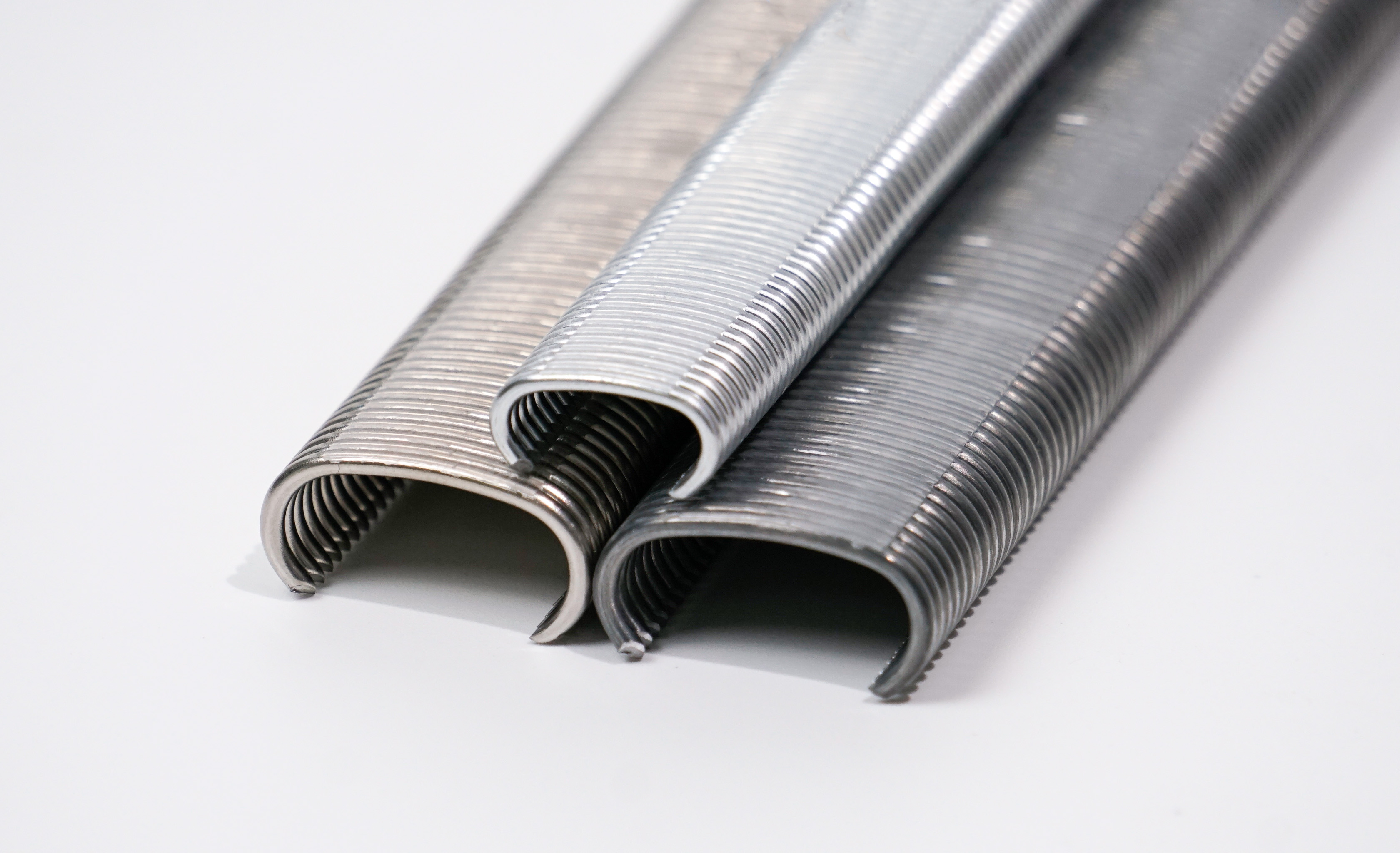
In contrast, pneumatic nails are engineered for pneumatic nail guns. Constructed from hardened or galvanized steel, these nails have slimmer profiles (15-16 gauge) and flat or round heads. Driven by compressed air, pneumatic nails ensure consistent penetration while minimizing material damage. Manufacturers often collate them into coils or strips for seamless feeding in automatic systems.
Applications: Practical Use Cases
Core Uses of Common Nails:
Structural projects: Wood framing, deck construction
Heavy-duty connections: Fences, outdoor pathways
Emergency repairs: No power tools required
Strengths of Pneumatic Nails:
High-speed installation: Roofing, wall sheathing (100+ nails per minute)
Precision tasks: Trim work, cabinetry (slim profile reduces surface damage)
Industrial assembly: Furniture factories, prefab building modules
Performance Comparison: Efficiency, Cost, and Compatibility
| Metric | Common Nails | Pneumatic Nails |
|---|---|---|
| Installation Speed | Manual (~30 nails/minute) | Air-powered (100-150 nails/minute) |
| Material Safety | Risk of splitting softwoods | Reduced splitting risk |
| Initial Cost | Hammer only (low cost) | Nail gun + compressor required |
| Maintenance | None | Regular tool lubrication |
Industry data shows pneumatic nails save 40% labor time in large projects, while common nails remain cost-effective for small-scale DIY tasks.
Industry Trends: Innovation and Demand
Advancements in Common Nails:
Corrosion-resistant coatings: Galvanized variants see 12% demand growth in humid regions.
Sustainable options: Recyclable steel common nails gain traction in eco-conscious markets.
Breakthroughs in Pneumatic Nails:
Smart nail guns: Auto-adjust depth sensors optimize pneumatic nails for varying materials.
Lightweight tools: Aerospace-grade aluminum reduces fatigue during prolonged use.
As of 2024, pneumatic nails hold 34% of the industrial fastener market, while common nails dominate 65% of DIY sectors due to accessibility.
Selection Guide: Matching Nails to Projects
Choose Common Nails for:
Budget-friendly, small-scale tasks
Sites without power access
Ultra-dense hardwoods (e.g., teak)
Choose Pneumatic Nails for:
Precision finishes (e.g., veneer work)
Time-sensitive commercial builds
High-volume production lines
Future Outlook: Complementary Roles
While pneumatic nails excel in speed, common nails remain irreplaceable for niche applications. By 2027:
Common nails will adopt carbon-neutral manufacturing processes.
Pneumatic nails will integrate IoT for real-time performance tracking.