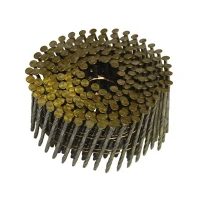
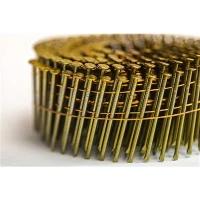
Coil nails, also known as spiral nails, are a type of fastener with a helical shape that provides superior holding power compared to traditional straight nails. The question of whether coil nails are universal revolves around their applicability across various materials, industries, and specific use cases. This article explores the universality of coil nails by examining their design, applications, advantages, and limitations.
1. Design and Functionality
Coil nails are characterized by their twisted or spiraled shank, which enhances their grip and resistance to withdrawal. This design allows them to anchor more securely in materials like wood, metal, and composite materials. The helical pattern distributes pressure more evenly, reducing the risk of splitting or damaging the material.
2. Applications Across Industries
2.1 Construction Industry
In construction, coil nails are commonly used for tasks such as securing plywood, OSB (oriented strand board), and subflooring. They are particularly favored for their ability to hold materials tightly together, preventing movement and ensuring structural integrity.
2.2 Furniture Making
Furniture makers often use coil nails to assemble pieces like chairs, tables, and cabinets. The strong hold provided by these nails ensures that joints remain tight and secure, contributing to the durability and longevity of the furniture.
2.3 Automotive and Aerospace
In automotive and aerospace applications, coil nails are used to fasten metal sheets and other components. Their high resistance to vibration and pull-out makes them ideal for environments where stability and safety are critical.
2.4 DIY Projects
For do-it-yourself enthusiasts, coil nails offer a versatile solution for various projects, from building shelves and picture frames to repairing household items. Their ease of use and strong holding power make them a popular choice among hobbyists.
3. Advantages of Coil Nails
- Enhanced Grip: The spiral design increases surface area contact, providing a stronger hold.
- Versatility: Suitable for a wide range of materials, including wood, metal, and composites.
- Resistance to Withdrawal: The twisted shank reduces the likelihood of nails coming loose over time.
- Ease of Installation: Can be driven using standard hammers or nail guns, making them convenient for both professionals and amateurs.
4. Limitations and Considerations
While coil nails offer many benefits, they are not without limitations:
- Cost: Generally more expensive than traditional straight nails due to their specialized design.
- Overkill for Light Tasks: For lighter applications where minimal holding strength is required, the extra grip of coil nails might be unnecessary.
- Material Compatibility: Although versatile, they may not be suitable for all materials, especially very hard or brittle substances.
5. Conclusion
Coil nails can be considered quite universal due to their broad applicability across different industries and materials. However, their suitability depends on the specific requirements of each project. While they excel in providing strong, reliable holds in many scenarios, factors such as cost and material compatibility should be taken into account when deciding whether to use coil nails.
In summary, while coil nails are highly versatile and effective, their "universality" is best understood within the context of the specific needs and constraints of each application.
Are Coil Nails Universal?
Dec 05, 2024
Leave a message
You Might Also Like