

Hey there! As a supplier of Collated Framing Nails, I get asked a ton of questions about our products. One of the most common ones is, "Do collated framing nails require pre - drilling?" Let's dig into this topic and find out the answer.
Understanding Collated Framing Nails
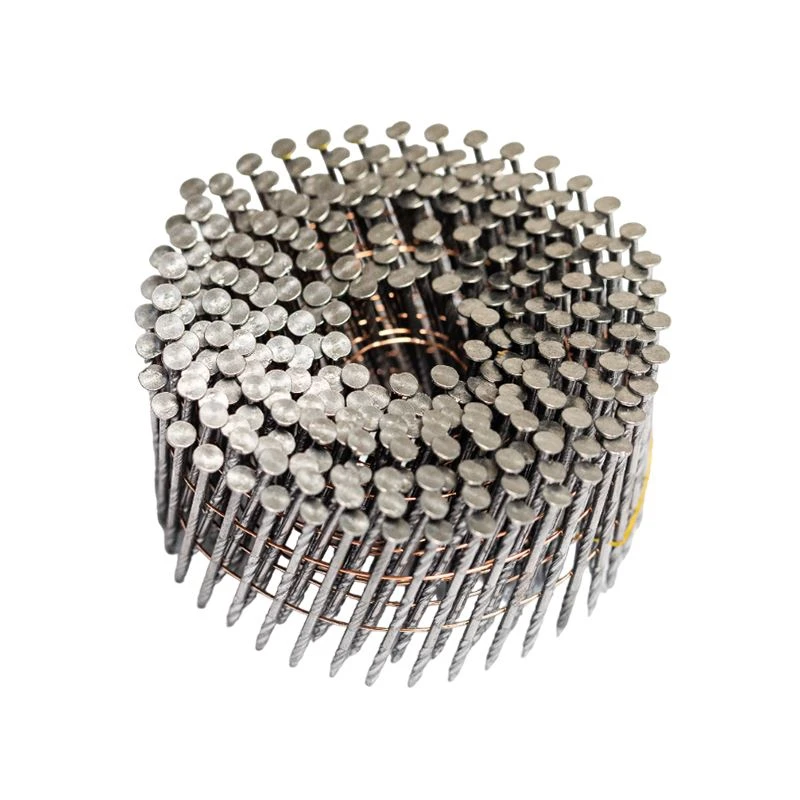
First off, let's talk a bit about collated framing nails. These nails are grouped together, usually in a strip or coil, which makes them super convenient to use with nail guns. They're a staple in construction projects, whether you're building a house, a deck, or doing some DIY home improvement.
We offer a variety of collated framing nails, like Bright Coated Framing Nails. These are known for their smooth finish and good holding power. Then there are 21 - Degree Collated Framing Nails, which are widely used because they fit well in many nail guns and work great for different framing jobs. And don't forget our Ring Hot Dipped Galvanized Nails. The ring shank design gives them extra grip, and the galvanized coating protects them from rust.
Factors Affecting the Need for Pre - Drilling
Whether collated framing nails need pre - drilling depends on several factors. Let's break them down.
Wood Type
The type of wood you're working with plays a huge role. Softwoods like pine and cedar are relatively easy to nail into. Their fibers are less dense, so the nails can usually penetrate without much resistance. In most cases, you won't need to pre - drill when using collated framing nails on softwoods.
On the other hand, hardwoods such as oak, maple, or teak are a different story. These woods have a much denser grain, and driving nails directly into them can cause the wood to split. Pre - drilling can help prevent this by creating a path for the nail, reducing the stress on the wood fibers.
Nail Size
The size of the nail also matters. Larger nails, especially those with a thick diameter, require more force to drive into the wood. If you try to use a big nail without pre - drilling, you might end up with a split or cracked piece of wood. Smaller nails, on the other hand, can often be driven directly into the wood without pre - drilling, especially in softer woods.
Project Requirements
The specific requirements of your project can also influence the need for pre - drilling. For example, if you're building a load - bearing structure, you need to ensure that the nails are properly seated and the wood doesn't split. Pre - drilling can help achieve a more secure connection, which is crucial for the structural integrity of the project.
When Pre - Drilling is Necessary
Let's take a closer look at situations where pre - drilling is a must.
Hardwoods
As mentioned earlier, hardwoods are the prime candidates for pre - drilling. The dense fibers in these woods make it difficult for nails to penetrate smoothly. If you're using collated framing nails on oak or maple, pre - drilling a pilot hole that's slightly smaller than the nail diameter can make the job a lot easier and prevent splitting.
Thick Wood
When working with thick pieces of wood, pre - drilling is often necessary. The extra thickness means more resistance for the nail, and driving it in without a pilot hole can cause the wood to crack or the nail to bend. By pre - drilling, you can ensure that the nail goes in straight and securely.
Close - Fitting Joints
In projects where you need a tight, precise joint, pre - drilling is essential. For example, if you're building a cabinet or a piece of furniture, you want the nails to hold the pieces together without any gaps. Pre - drilling allows you to control the placement of the nail and ensures a better fit.
When Pre - Drilling is Not Needed
There are also plenty of situations where you can skip the pre - drilling step.
Softwoods
Softwoods are forgiving when it comes to nailing. Their low density allows collated framing nails to penetrate easily. Whether you're building a simple wooden shed or a small deck, you can usually drive the nails directly into softwood without pre - drilling.
Small Nails
Smaller collated framing nails, like those used for trim work or light - duty framing, often don't require pre - drilling. The smaller diameter means less resistance, and they can usually be driven into the wood without causing any problems.
Non - Load - Bearing Structures
For non - load - bearing structures, such as decorative panels or temporary partitions, pre - drilling may not be necessary. These structures don't need to support a lot of weight, so a direct nailing approach can be sufficient.

Benefits of Pre - Drilling
Even when it's not strictly necessary, pre - drilling can offer some benefits.
Reduced Splitting
The most obvious benefit is the prevention of wood splitting. By creating a pilot hole, you reduce the stress on the wood fibers, making it less likely to split. This is especially important when working with expensive or high - quality wood.
Better Nail Placement
Pre - drilling allows you to control the exact location of the nail. This is crucial for achieving a professional - looking finish, especially in projects where appearance matters.
Longer Nail Life
When you pre - drill, the nail doesn't have to work as hard to penetrate the wood. This can reduce the wear and tear on the nail, potentially extending its lifespan.
How to Pre - Drill for Collated Framing Nails
If you've decided that pre - drilling is the way to go, here's how you can do it.
First, choose a drill bit that's slightly smaller than the diameter of the nail. For example, if you're using a 3/16 - inch nail, a 1/8 - inch drill bit would be a good choice. Mark the spot where you want to drive the nail, and then use a drill to create a pilot hole. Make sure the hole is deep enough, usually about two - thirds of the nail length.
Once the pilot hole is drilled, you can use your nail gun to drive the collated framing nail into the hole. It should go in smoothly and securely.
Conclusion
So, do collated framing nails require pre - drilling? The answer is, it depends. It depends on the type of wood, the size of the nail, and the requirements of your project. In some cases, you can skip the pre - drilling step and save time. In others, pre - drilling is necessary to ensure a successful and long - lasting result.
If you're still not sure whether you need to pre - drill for your project, or if you have any other questions about our collated framing nails, feel free to reach out. We're here to help you make the right choice for your construction needs. Whether you're a professional builder or a DIY enthusiast, we've got the right nails for you. Contact us to start a conversation about your purchase and let's get your project off to a great start!
References
- Woodworking Magazine: "Nailing Techniques for Different Woods"
- Construction Journal: "Best Practices for Using Collated Framing Nails"
- DIY Home Improvement Guide: "Pre - Drilling vs. Direct Nailing"