

When it comes to crafting picture frames, the choice of fasteners plays a crucial role in ensuring the structural integrity and aesthetic appeal of the final product. One option that often comes into consideration is collated framing nails. As a trusted supplier of Collated Framing Nails, I am frequently asked whether these nails are suitable for making picture frames. In this blog post, I will delve into the details of collated framing nails and explore their viability for picture frame construction.
Understanding Collated Framing Nails
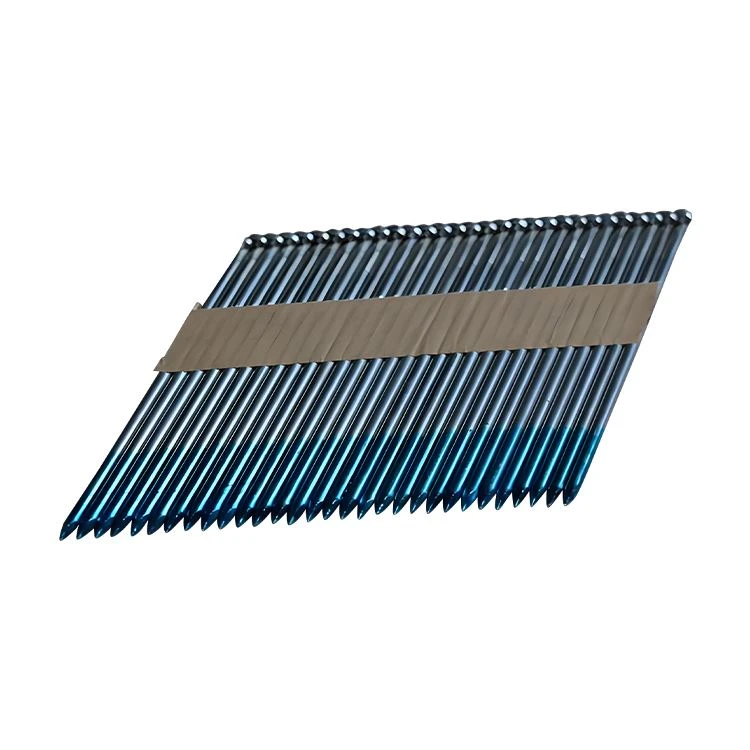
Collated framing nails are designed to be used with nail guns, which significantly speeds up the fastening process. These nails are typically held together in strips or coils by a paper, plastic, or wire collation material. This collation allows for quick and efficient loading into the nail gun, reducing downtime and increasing productivity.
There are several types of collated framing nails available, each with its own unique features and applications. Some of the common types include Bright Coated Framing Nails, Smooth Shank Framing Nails, and Vinyl Coated Framing Nails.
- Bright Coated Framing Nails: These nails have a bright finish that provides a certain level of corrosion resistance. They are commonly used in general framing applications where the appearance of the nail is not a major concern.
- Smooth Shank Framing Nails: Smooth shank nails are easy to drive and offer good holding power. They are suitable for a wide range of framing tasks, including picture frame construction.
- Vinyl Coated Framing Nails: The vinyl coating on these nails provides additional corrosion resistance and helps to prevent the nails from rusting over time. They are often used in outdoor or high - humidity environments.
Advantages of Using Collated Framing Nails for Picture Frames
1. Speed and Efficiency
One of the primary advantages of using collated framing nails for picture frames is the speed at which they can be installed. With a nail gun, you can drive multiple nails in a matter of seconds, compared to the time - consuming process of using a hammer and individual nails. This can significantly reduce the overall construction time, especially when making multiple picture frames.
2. Consistent Nail Placement
Nail guns are designed to drive nails at a consistent depth and angle. This ensures that the nails are evenly spaced and properly seated in the wood, resulting in a more professional - looking picture frame. Consistent nail placement also helps to prevent the wood from splitting, which can be a common problem when using a hammer.
3. Strong Joints
Collated framing nails provide a strong and secure joint between the pieces of wood in the picture frame. The nails penetrate deep into the wood, creating a tight bond that can withstand normal handling and hanging. This is particularly important for larger or heavier picture frames, where a weak joint could lead to the frame coming apart over time.
Disadvantages of Using Collated Framing Nails for Picture Frames
1. Visible Nail Holes
One of the main drawbacks of using collated framing nails for picture frames is the visibility of the nail holes. Depending on the type of wood and the finish of the frame, the nail holes may be noticeable, which can detract from the overall aesthetic appeal of the picture frame. However, this can be mitigated by using techniques such as wood filler to fill the holes and sanding the frame to smooth out the surface.
2. Risk of Wood Splitting
Although nail guns are designed to minimize the risk of wood splitting, there is still a possibility, especially when using hardwoods or when driving nails too close to the edge of the wood. To reduce this risk, it is important to choose the right nail size and type for the wood and to follow the manufacturer's recommendations for nail gun settings.
3. Limited Aesthetic Options
Collated framing nails are typically designed for structural purposes, and they may not offer the same level of aesthetic flexibility as other fastening methods, such as dovetail joints or miter joints. These traditional joints are often considered more elegant and can enhance the overall appearance of the picture frame.
Considerations When Using Collated Framing Nails for Picture Frames
1. Nail Size and Gauge
The size and gauge of the collated framing nails you choose will depend on the thickness and type of wood used in the picture frame. For thinner woods, a smaller gauge nail may be sufficient, while thicker woods may require a larger gauge nail for a secure joint. It is important to consult the nail gun manufacturer's guidelines and the wood species' recommendations to determine the appropriate nail size and gauge.
2. Wood Selection
The type of wood you use for the picture frame can also affect the performance of the collated framing nails. Softwoods, such as pine or cedar, are generally easier to work with and less likely to split than hardwoods, such as oak or maple. However, hardwoods offer greater durability and a more refined appearance. When using hardwoods, it may be necessary to pre - drill holes to prevent splitting.
3. Finish and Appearance
As mentioned earlier, the visibility of the nail holes can be a concern when using collated framing nails. To minimize the impact on the frame's appearance, you can choose nails with a finish that matches the wood or use techniques to conceal the nail holes. For example, you can apply a stain or paint to the frame after filling the nail holes to blend them in with the surrounding wood.

Alternatives to Collated Framing Nails for Picture Frames
1. Glue
Glue is a popular alternative to nails for picture frame construction. It provides a strong and seamless bond between the pieces of wood, eliminating the need for visible nail holes. However, glue requires more time to dry and set, and it may not be as suitable for larger or heavier frames.
2. Dovetail Joints
Dovetail joints are a traditional and aesthetically pleasing way to join the pieces of a picture frame. These joints are created by interlocking the ends of the wood pieces in a series of wedge - shaped cuts. Dovetail joints offer excellent strength and durability, but they require advanced woodworking skills and specialized tools to create.
3. Miter Joints
Miter joints are another common method for joining the corners of a picture frame. In a miter joint, the ends of the wood pieces are cut at a 45 - degree angle and then glued or nailed together. Miter joints can create a clean and professional - looking corner, but they can be more challenging to align and secure than other joints.
Conclusion
In conclusion, collated framing nails can be a viable option for making picture frames, especially when speed, efficiency, and strong joints are a priority. While they do have some drawbacks, such as visible nail holes and the risk of wood splitting, these issues can be managed with proper techniques and materials.
As a supplier of Collated Framing Nails, I offer a wide range of nail types and sizes to meet your specific needs. Whether you are a professional picture frame maker or a DIY enthusiast, I can provide you with the high - quality nails you need to create beautiful and durable picture frames.
If you are interested in learning more about our Collated Framing Nails or would like to discuss your picture frame construction project, please feel free to contact us. We are always happy to help you find the right nails for your job.
References
- Woodworking Magazine: "Best Practices for Picture Frame Construction"
- Nail Gun Manufacturer's Manuals
- Wood Species Guides