

Hey there! As a threaded nail supplier, I often get asked about the torque requirement for installing a threaded nail. It's a crucial topic, especially for those in the construction and woodworking industries. So, let's dive right in and explore what goes into determining the right torque for these handy fasteners.
First off, what exactly is torque? Well, torque is the measure of the force that can cause an object to rotate around an axis. In the context of installing threaded nails, it's the amount of turning force you need to apply to drive the nail into the material properly. Getting the torque right is super important because if it's too low, the nail might not be securely fastened, and if it's too high, you could damage the nail or the material it's being driven into.
There are several factors that influence the torque requirement for installing a threaded nail. One of the main factors is the type of material you're working with. Different materials have different levels of hardness and density, which means they require different amounts of torque to drive a nail in. For example, softwoods like pine are generally easier to penetrate than hardwoods like oak. So, you'll need less torque to install a threaded nail in pine compared to oak.
Another factor is the size and design of the threaded nail. Larger nails typically require more torque to install because they have a greater surface area in contact with the material. The thread pitch and depth also play a role. Nails with a finer thread pitch and deeper threads tend to require more torque as they grip the material more tightly.
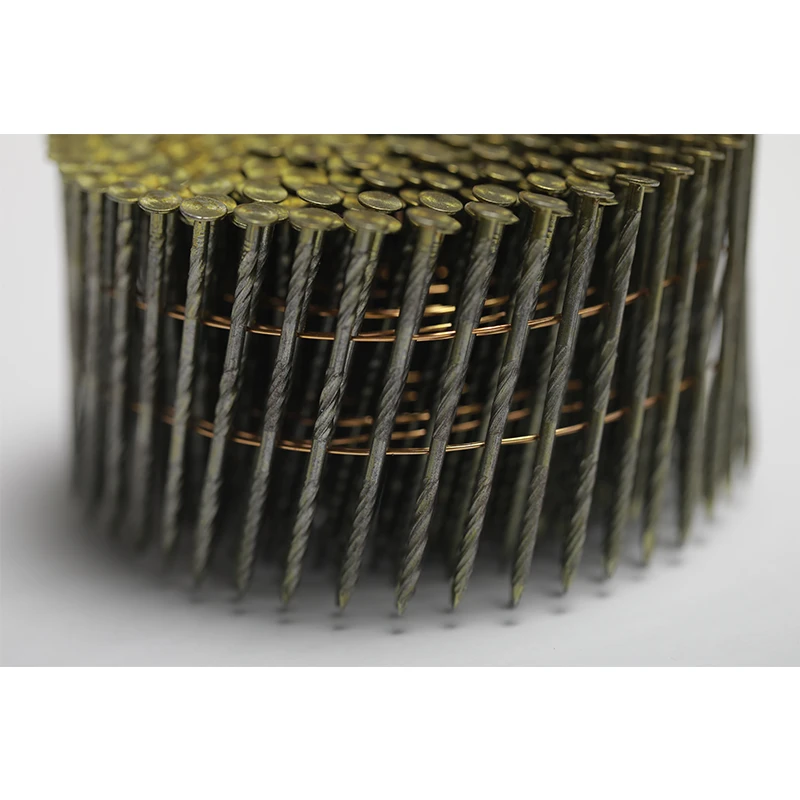
Let's take a look at some of the threaded nails we offer as a supplier. We have the 2.5mmx57mm Screw Shank Coil Nails. These nails are great for a variety of applications, especially when you need a reliable and strong fastening solution. The 2.5mm diameter and 57mm length make them suitable for medium-duty tasks. The screw shank design provides excellent holding power, but it also means you'll need to apply the right amount of torque to ensure a proper installation.
Our Diamond Point Screw Shank Coil Nails are another popular option. The diamond point design allows for easier penetration into the material, reducing the initial force required. However, once the nail is in, you still need to apply the appropriate torque to fully seat it and achieve maximum holding strength.
And then there are our Screw Shank Coil Nails for Nail Gun. These nails are specifically designed to be used with nail guns, which can make the installation process much faster and more efficient. But even with a nail gun, you need to make sure the torque settings are correct. Many modern nail guns allow you to adjust the driving force, which is essentially the torque. You'll want to set it according to the type of nail and the material you're working with.
So, how do you determine the right torque for installing a threaded nail? Well, there's no one-size-fits-all answer. But here are some general guidelines. If you're working with a softwood, start with a lower torque setting and gradually increase it if the nail isn't going in easily. For hardwoods, you'll likely need to start with a higher torque setting, but be careful not to overdo it. You can also refer to the manufacturer's recommendations for the specific nail you're using. They often provide guidelines on the appropriate torque range based on different materials.
It's also a good idea to do some test installations on a scrap piece of the same material you'll be using for your project. This way, you can get a feel for how much torque is needed and make any necessary adjustments before you start working on the actual project.
In addition to getting the torque right, there are a few other things to keep in mind when installing threaded nails. Make sure the surface is clean and free of debris, as this can affect the nail's ability to penetrate and grip the material. Also, use the right tools for the job. A high-quality drill or nail gun will make the installation process much smoother and more accurate.
As a threaded nail supplier, we're always here to help you with any questions you might have about our products and their installation. Whether you're a professional contractor or a DIY enthusiast, we can provide you with the information and support you need to ensure a successful project.
If you're interested in purchasing our threaded nails or have any questions about torque requirements or installation, don't hesitate to reach out. We'd love to have a chat and discuss your specific needs. We can help you choose the right nails for your project and provide any additional guidance you might need.
In conclusion, understanding the torque requirement for installing a threaded nail is essential for a successful and secure installation. By considering factors like the material, nail size and design, and following some general guidelines, you can ensure that your nails are installed correctly and provide the necessary holding strength. So, next time you're working on a project that involves threaded nails, keep these tips in mind and you'll be on your way to a job well done.

References
- Construction Fastening Manuals
- Woodworking Industry Standards Publications