

Tensile strength is a critical property when it comes to collated framing nails. As a trusted supplier of collated framing nails, I've seen firsthand how understanding this concept can make a significant difference in construction projects. In this blog, we'll delve into what tensile strength is, why it matters for collated framing nails, and how it impacts your building endeavors.
Understanding Tensile Strength
Tensile strength refers to the maximum amount of tensile (pulling) stress that a material can withstand before breaking or failing. In the context of collated framing nails, it's the measure of how much force a nail can endure when being pulled out of the material it's driven into. This property is crucial because framing nails are often subjected to various forces during and after construction. For example, in a building's frame, nails need to hold the structural members together against the forces of gravity, wind, and seismic activity.
The tensile strength of a nail is determined by several factors, including the material it's made from, its diameter, and its length. Nails are typically made from steel, which is known for its high strength and durability. However, not all steels are created equal. Different grades of steel have different chemical compositions and heat treatments, which can significantly affect their tensile strength.
Importance of Tensile Strength in Collated Framing Nails
In construction, the tensile strength of collated framing nails directly impacts the structural integrity of a building. When nails have sufficient tensile strength, they can effectively hold the framing members together, preventing them from separating under stress. This is especially important in areas prone to natural disasters such as earthquakes and hurricanes, where buildings need to withstand extreme forces.
For instance, in a seismic event, the building's frame is subjected to lateral forces that can cause the framing members to shift and pull apart. Nails with high tensile strength are better able to resist these forces and keep the structure intact. Similarly, in high - wind areas, the uplift forces on a building's roof can put a great deal of stress on the nails holding the roof framing in place. Nails with adequate tensile strength can prevent the roof from being blown off.
Moreover, proper tensile strength also ensures the long - term stability of a structure. Over time, buildings can experience settling and minor movements. Nails with good tensile strength can accommodate these changes without losing their holding power, reducing the risk of structural failure and costly repairs.
Factors Affecting the Tensile Strength of Collated Framing Nails
Material
As mentioned earlier, the material of the nail plays a crucial role in determining its tensile strength. Most collated framing nails are made from carbon steel, which can be further classified into different grades. Higher - grade carbon steels generally have a higher carbon content, which increases their strength. However, too much carbon can make the nails brittle, so a balance must be struck.
Some nails are also made from stainless steel, which offers excellent corrosion resistance in addition to good tensile strength. Stainless steel nails are ideal for outdoor applications or in environments where moisture is a concern, as they won't rust and lose their strength over time.
Nail Diameter
The diameter of a nail is another important factor. Generally, thicker nails have higher tensile strength. A larger diameter means more material is available to resist the pulling force. For example, a 16 - gauge nail will typically have a lower tensile strength than a 10 - gauge nail because it has a smaller cross - sectional area.
Nail Length
The length of the nail also affects its tensile strength. Longer nails have more surface area in contact with the material they're driven into, which increases the frictional force holding them in place. This additional frictional force contributes to the overall resistance against pulling forces. However, there's a limit to how long a nail can be. If a nail is too long, it may bend or break during installation, which can compromise its effectiveness.
Our Range of Collated Framing Nails and Their Tensile Strength
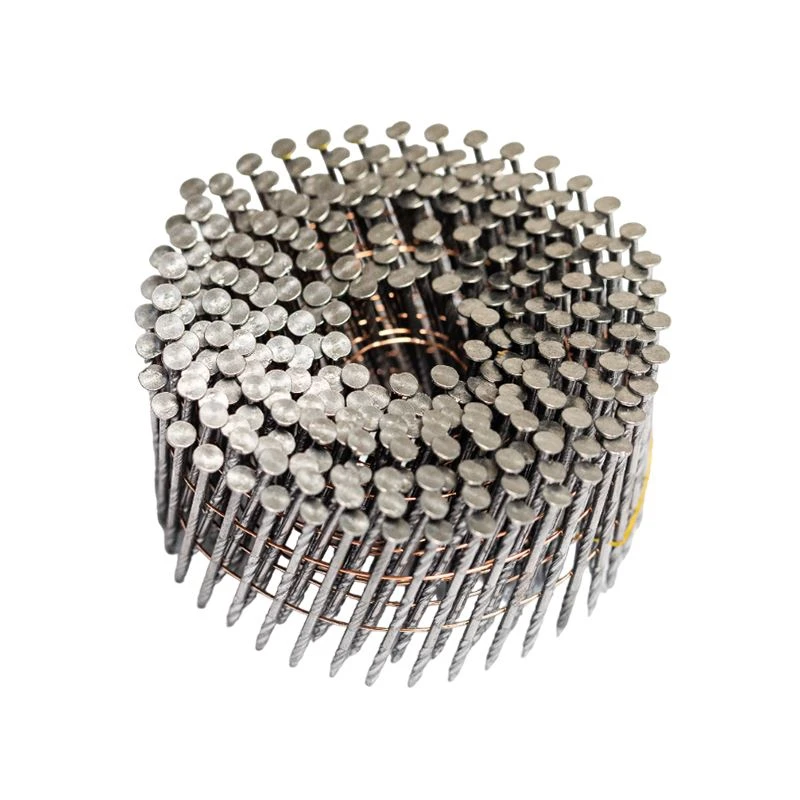
At our company, we offer a wide variety of collated framing nails to meet the diverse needs of our customers. Our 21 Degree Plastic Framing Nails are designed with high - quality steel to ensure excellent tensile strength. The 21 - degree angle is a popular choice for framing nailers, and the plastic collation provides a convenient and reliable way to load the nails into the tool.
Our Smooth Shank Framing Nails are another option. The smooth shank design allows for easy driving into the material, and they are made from steel with a carefully selected grade to provide optimal tensile strength. These nails are suitable for a wide range of framing applications, from residential construction to light commercial projects.
For those who prefer a specific angle, our 21 - Degree Collated Framing Nails are a great choice. They are engineered to withstand high pulling forces, making them ideal for structural framing where the integrity of the connection is of utmost importance.
Testing and Quality Assurance
To ensure that our collated framing nails meet the highest standards of tensile strength, we conduct rigorous testing. Our testing procedures include both laboratory tests and real - world simulations. In the laboratory, we use specialized equipment to measure the exact tensile strength of our nails. We also perform tests to evaluate the nails' performance under different conditions, such as varying moisture levels and temperatures.
In addition to laboratory testing, we carry out field tests in actual construction projects. This allows us to observe how our nails perform in real - life situations and make any necessary adjustments to our manufacturing processes. By combining laboratory and field testing, we can guarantee that our collated framing nails will provide reliable performance and long - lasting holding power.

Choosing the Right Collated Framing Nails Based on Tensile Strength
When selecting collated framing nails for your project, it's important to consider the specific requirements of the job. First, assess the type of structure you're building and the forces it will be subjected to. For example, if you're constructing a single - family home in a low - risk area, you may be able to use nails with a relatively lower tensile strength. However, for a multi - story commercial building or a structure in a high - risk area, you'll need nails with a higher tensile strength.
Also, consider the material you'll be nailing into. Different materials have different densities and hardness, which can affect the holding power of the nails. For softer woods, you may be able to use nails with a slightly lower tensile strength, while harder woods or engineered wood products may require nails with higher strength.
Contact Us for Your Collated Framing Nail Needs
If you're in the market for high - quality collated framing nails with excellent tensile strength, look no further. Our team of experts is ready to assist you in choosing the right nails for your project. We can provide detailed information about the tensile strength of our products and help you make an informed decision. Whether you're a professional contractor or a DIY enthusiast, we have the right collated framing nails for you. Reach out to us today to start the procurement process and ensure the success of your construction project.
References
- "Mechanics of Materials" by Ferdinand P. Beer, E. Russell Johnston Jr., John T. DeWolf, and David F. Mazurek.
- "Construction Materials, Methods and Techniques" by Frank D. Petrie.
- Industry standards and guidelines for collated framing nails.