

The lifespan of collated framing nails is a topic of great interest to both professional contractors and DIY enthusiasts. As a supplier of collated framing nails, I've had the opportunity to delve deep into this subject, understanding the factors that influence how long these nails can effectively serve their purpose. In this blog post, I'll share my insights on the lifespan of collated framing nails, exploring the various elements that come into play.
Understanding Collated Framing Nails
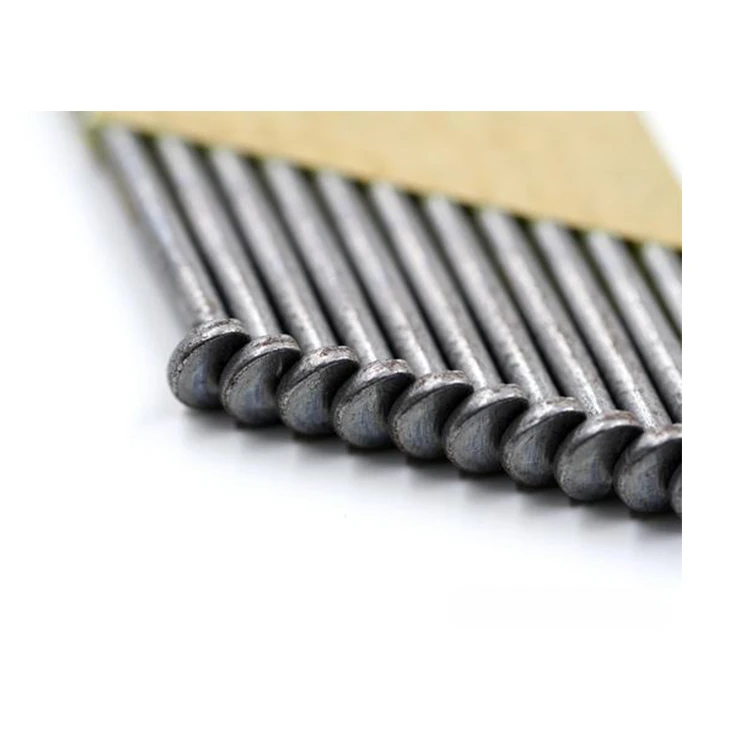
Before we discuss their lifespan, let's briefly understand what collated framing nails are. These nails are connected together in strips or coils, making them suitable for use in nail guns. They are commonly used in construction and woodworking projects, such as framing houses, building decks, and installing subfloors. There are different types of collated framing nails, including 21 Degree Plastic Framing Nails, 28 Degree Wire Weld Framing Nails, and Ring Hot Dipped Galvanized Nails. Each type has its own characteristics and is designed for specific applications.
Factors Affecting the Lifespan of Collated Framing Nails
The lifespan of collated framing nails is influenced by several factors, including the quality of the nails, the environment in which they are used, and the type of application.

Quality of the Nails
The quality of the nails is one of the most important factors affecting their lifespan. High-quality nails are made from durable materials and are manufactured to strict standards. They are less likely to break, bend, or rust, which means they can last longer. When choosing collated framing nails, it's important to look for nails that are made from high-quality steel and have a proper coating to protect them from corrosion.
Environment
The environment in which the nails are used also plays a significant role in their lifespan. Nails used in outdoor applications are exposed to the elements, such as rain, snow, and sunlight, which can cause them to rust and deteriorate over time. In contrast, nails used in indoor applications are generally protected from the elements and can last longer. Additionally, nails used in areas with high humidity or moisture levels are more likely to rust, which can shorten their lifespan.
Type of Application
The type of application also affects the lifespan of collated framing nails. Nails used in heavy-duty applications, such as framing houses or building decks, are subjected to more stress and pressure than nails used in lighter applications, such as installing trim or molding. As a result, nails used in heavy-duty applications may need to be replaced more frequently.
Estimating the Lifespan of Collated Framing Nails
It's difficult to provide an exact lifespan for collated framing nails, as it depends on the factors mentioned above. However, in general, high-quality nails used in indoor applications can last for several decades, while nails used in outdoor applications may need to be replaced every 10 to 20 years.
Indoor Applications
In indoor applications, such as installing drywall or trim, collated framing nails are typically not exposed to the elements and are subjected to less stress. As a result, they can last for a long time. High-quality nails made from corrosion-resistant materials can last for 30 years or more in indoor applications.
Outdoor Applications
In outdoor applications, such as framing houses or building decks, collated framing nails are exposed to the elements and are subjected to more stress. As a result, they may need to be replaced more frequently. Nails used in outdoor applications are typically made from galvanized or stainless steel to protect them from corrosion. However, even with these protective coatings, nails used in outdoor applications may need to be replaced every 10 to 20 years, depending on the environment and the type of application.
Extending the Lifespan of Collated Framing Nails
There are several steps you can take to extend the lifespan of collated framing nails.
Choose High-Quality Nails
As mentioned earlier, the quality of the nails is one of the most important factors affecting their lifespan. When choosing collated framing nails, look for nails that are made from high-quality steel and have a proper coating to protect them from corrosion.
Use the Right Nails for the Job
Using the right nails for the job is also important. Make sure you choose nails that are the right size and type for the application. Using nails that are too small or too weak for the job can cause them to break or bend, which can shorten their lifespan.
Protect the Nails from the Elements
If you're using collated framing nails in outdoor applications, it's important to protect them from the elements. You can do this by using nails with a protective coating, such as galvanized or stainless steel, and by applying a sealant or paint to the surface of the wood to prevent moisture from reaching the nails.
Maintain the Nails
Regular maintenance can also help extend the lifespan of collated framing nails. Check the nails periodically for signs of rust or damage, and replace any nails that are damaged or corroded.
Conclusion
The lifespan of collated framing nails depends on several factors, including the quality of the nails, the environment in which they are used, and the type of application. By choosing high-quality nails, using the right nails for the job, protecting the nails from the elements, and maintaining the nails, you can extend their lifespan and ensure that your construction projects last for a long time.
If you're in the market for collated framing nails, I encourage you to contact us to discuss your specific needs. We offer a wide range of high-quality collated framing nails, including 21 Degree Plastic Framing Nails, 28 Degree Wire Weld Framing Nails, and Ring Hot Dipped Galvanized Nails. Our team of experts can help you choose the right nails for your project and provide you with the information you need to ensure a successful installation.
References
- "Nail Selection Guide," Construction Hardware Association.
- "Understanding Nail Coatings," American Galvanizers Association.
- "Best Practices for Using Collated Framing Nails," National Association of Home Builders.