

In the world of construction and woodworking, nail guns are indispensable tools that significantly enhance efficiency and precision. Among the various types of nail guns available, finish nail guns and flooring nail guns stand out for their specific applications. As an Air Nail Gun supplier, I often encounter customers who are confused about the differences between these two types of nail guns. In this blog post, I will delve into the key distinctions between finish nail guns and flooring nail guns, helping you make an informed decision when choosing the right tool for your project.
Design and Construction
The design of a nail gun is tailored to its intended use, and this is evident when comparing finish nail guns and flooring nail guns. Finish nail guns are typically more compact and lightweight, designed for precision work. They are often used for tasks such as installing baseboards, crown molding, and door casings. The smaller size allows for easy maneuverability in tight spaces and around delicate trim work.
On the other hand, flooring nail guns are bulkier and more robust. They are built to withstand the rigors of flooring installation, which requires driving nails into dense hardwoods or engineered flooring. The larger size and heavier construction provide the necessary stability and power to ensure a secure installation.
Nail Size and Type
One of the most significant differences between finish nail guns and flooring nail guns lies in the size and type of nails they use. Finish nail guns typically use smaller gauge nails, ranging from 15 to 18 gauge. These nails are thinner and have a smaller head, which helps to minimize surface damage and provides a more discreet finish. Finish nails are often used for attaching trim pieces, where a clean and professional appearance is essential.
Flooring nail guns, on the other hand, use larger gauge nails, usually 16 or 18 gauge for hardwood floors and 15 gauge for engineered floors. These nails are designed to penetrate the dense wood and provide a strong hold. Flooring nails also have a unique design, with a special angle or shape that helps to prevent the nail from splitting the wood.
Firing Mechanism
The firing mechanism of a nail gun is another important factor to consider. Finish nail guns often use a sequential firing mechanism, which means that the gun will only fire a nail when the trigger is pulled and the nose of the gun is in contact with the work surface. This type of firing mechanism provides greater control and precision, making it ideal for detailed work.
Flooring nail guns, on the other hand, typically use a contact firing mechanism, also known as bump firing. With this mechanism, the gun will fire a nail as long as the trigger is held down and the nose of the gun is in contact with the work surface. This allows for faster installation, as the user can quickly drive multiple nails in a row without having to repeatedly pull the trigger.
Power Source
Both finish nail guns and flooring nail guns can be powered by different sources, including pneumatic, electric, and battery-powered. As an Air Nail Gun supplier, I specialize in pneumatic nail guns, which are powered by compressed air. Pneumatic nail guns offer several advantages, including high power, reliability, and the ability to handle a wide range of nail sizes.
Pneumatic finish nail guns are popular among professionals for their precision and control. They are often used in conjunction with an air compressor, which provides a continuous supply of compressed air. Pneumatic flooring nail guns, on the other hand, are designed to handle the high power requirements of flooring installation. They are also typically more durable and can withstand the heavy use associated with large-scale flooring projects.
Applications
The applications of finish nail guns and flooring nail guns are distinct and tailored to their specific features. Finish nail guns are primarily used for finish work, such as installing trim, molding, and cabinetry. They are ideal for tasks that require a clean and professional appearance, as the small nails leave minimal holes and can be easily filled and painted over.

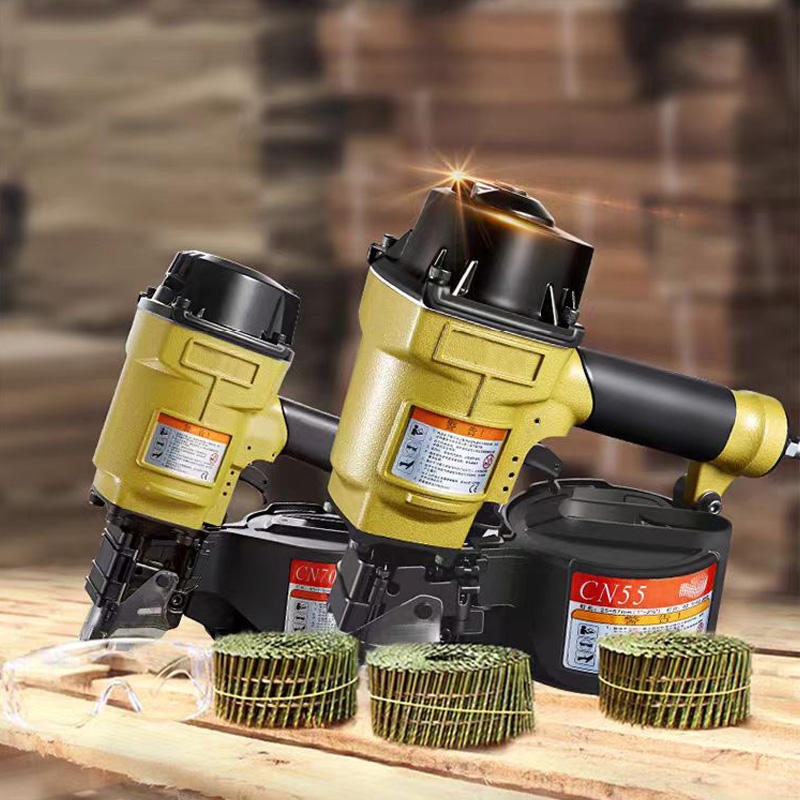
Flooring nail guns, as the name suggests, are specifically designed for installing flooring. They are used to secure hardwood, engineered, and laminate floors to the subfloor. The powerful driving force of a flooring nail gun ensures a tight and secure fit, preventing the floor from shifting or squeaking over time.
Other Considerations
In addition to the differences mentioned above, there are a few other factors to consider when choosing between a finish nail gun and a flooring nail gun. These include:
- Cost: Finish nail guns are generally less expensive than flooring nail guns, as they are smaller and use less powerful components. However, the cost can vary depending on the brand, features, and quality of the tool.
- Maintenance: Both types of nail guns require regular maintenance to ensure optimal performance. This includes cleaning, lubricating, and replacing worn parts. Flooring nail guns may require more frequent maintenance due to the heavy use and the exposure to dust and debris during installation.
- Safety: Safety is always a top priority when using any power tool. Both finish nail guns and flooring nail guns can be dangerous if not used properly. It is important to read and follow the manufacturer's instructions, wear appropriate safety gear, and keep the tool in good working condition.
Conclusion
In conclusion, finish nail guns and flooring nail guns are two distinct types of tools with specific applications. Finish nail guns are designed for precision work and are ideal for installing trim and molding, while flooring nail guns are built for the heavy-duty task of installing flooring. By understanding the differences between these two types of nail guns, you can choose the right tool for your project and ensure a successful outcome.
As an Air Nail Gun supplier, I offer a wide range of pneumatic nail guns, including Pneumatic Pallet Nailer, Pneumatic Nail Gun, and Heavy Duty Coil Nailer. Our nail guns are built to last and provide reliable performance, making them the perfect choice for professionals and DIY enthusiasts alike.
If you have any questions or need help choosing the right nail gun for your project, please feel free to contact us. We are here to assist you and provide you with the best possible solutions.
References
- "Nail Guns: A Comprehensive Guide." Woodworking Magazine.
- "The Complete Guide to Flooring Installation." Home Improvement Journal.
- Manufacturer's manuals for finish nail guns and flooring nail guns.