

Hey there, folks! As a supplier of air nail guns, I often get asked about the differences between a brad nail gun and a finish nail gun. It's a common question, and for good reason. These two types of nail guns might seem similar at first glance, but they have some distinct differences that can make a big impact on your projects. So, let's dive in and explore what sets them apart.

Nail Size and Gauge
One of the most obvious differences between a brad nail gun and a finish nail gun is the size and gauge of the nails they use. Brad nail guns typically use nails that are 18-gauge, which are relatively thin. These nails are great for delicate work, like attaching trim, molding, or small pieces of wood. Because they're thin, they leave smaller holes in the wood, which means less filling and sanding after the job is done.
On the other hand, finish nail guns usually use 15 or 16-gauge nails, which are thicker and stronger. These nails are better suited for heavier-duty projects, like installing baseboards, door casings, or chair rails. The thicker nails provide more holding power, which is important for larger pieces of wood that need to stay in place.
Holding Power
As I mentioned earlier, the gauge of the nail affects its holding power. Since finish nails are thicker, they can hold larger and heavier pieces of wood together more securely. This makes them a better choice for structural applications, like building cabinets or frames.
Brad nails, on the other hand, have less holding power. They're ideal for attaching trim and molding because they won't split the wood, but they might not be strong enough for more demanding projects. If you're working on a piece that will be subject to a lot of stress or movement, you'll probably want to use a finish nail gun.
Hole Size and Appearance
Another factor to consider is the size of the holes left by the nails. Brad nails, being thinner, leave smaller holes in the wood. This makes them a great choice for projects where appearance is important, like furniture making or interior trim work. After the nails are inserted, the holes can be easily filled with putty or wood filler, and then sanded smooth for a seamless finish.
Finish nails, because they're thicker, leave larger holes. While these holes can also be filled, they may require a bit more work to make them disappear completely. If you're working on a project where you want the nails to be as invisible as possible, a brad nail gun might be the better option.
Applications
The differences in nail size, holding power, and hole appearance also translate into different applications for each type of nail gun.
Brad Nail Gun Applications
- Trim and Molding: Brad nail guns are perfect for attaching baseboards, crown molding, chair rails, and other types of trim. They're gentle enough not to split the wood, and the small holes they leave make for a clean and professional-looking finish.
- Furniture Making: When building or repairing furniture, brad nail guns are a great choice for attaching small parts, like legs, arms, or decorative elements. The nails provide enough holding power without being too bulky or noticeable.
- Craft Projects: If you're into DIY crafts, a brad nail gun can come in handy for all sorts of projects, from making wooden signs to building small boxes or frames.
Finish Nail Gun Applications
- Structural Work: As mentioned earlier, finish nail guns are better suited for structural applications. They can be used to build cabinets, frames, and other pieces of furniture that need to be strong and durable.
- External Trim: Finish nails are also a good choice for external trim work, like installing window casings or door jambs. The thicker nails can withstand the elements and provide long-lasting hold.
- Decking and Flooring: In some cases, finish nail guns can be used for decking and flooring installations. However, it's important to make sure the nails are the right length and gauge for the job.
Our Air Nail Gun Products
At our company, we offer a range of air nail guns to suit different needs and projects. If you're in the market for a brad nail gun or a finish nail gun, we've got you covered.
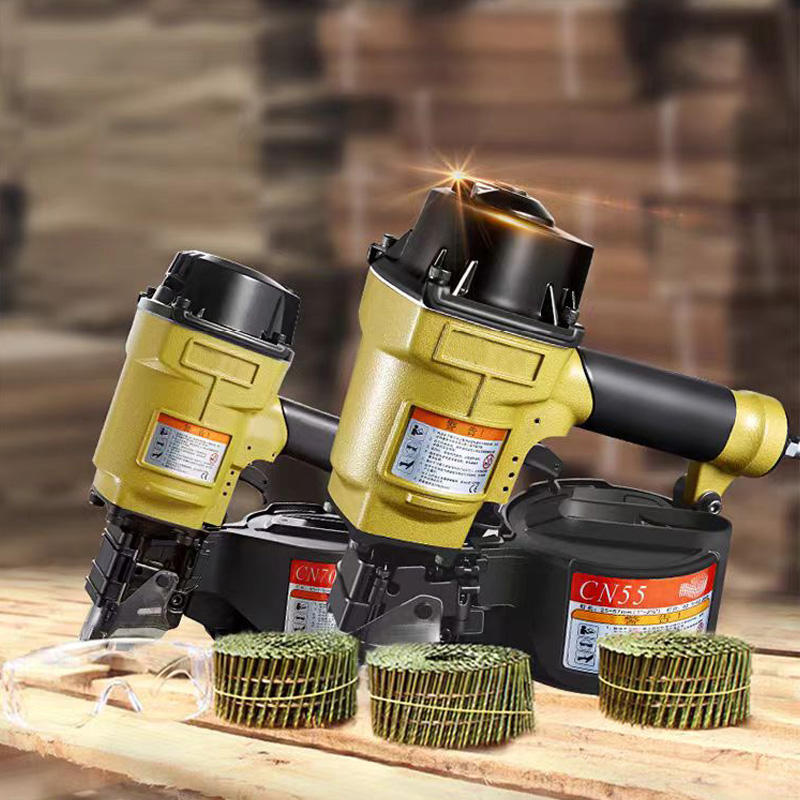
Check out our Cn55 Air Nail Gun. It's a high-quality tool that's perfect for a variety of applications, including trim work, furniture making, and crafting. With its lightweight design and easy-to-use features, the Cn55 is a great choice for both professionals and DIY enthusiasts.
If you need a more heavy-duty option, our Pneumatic Coil Nail Gun is a great choice. It's designed for larger projects, like decking, framing, and roofing. The coil design allows for faster and more efficient nailing, making it a popular choice among contractors.
And for industrial applications, we offer the Industrial Coil Nail Gun. This powerful tool is built to withstand the rigors of heavy use and can handle even the toughest jobs.
Conclusion and Call to Action
So, there you have it – the main differences between a brad nail gun and a finish nail gun. As you can see, each type of nail gun has its own strengths and weaknesses, and the right choice depends on the specific project you're working on.
If you're still not sure which nail gun is right for you, or if you have any questions about our products, don't hesitate to reach out. We're here to help you find the perfect tool for your needs. Whether you're a professional contractor or a DIY enthusiast, we've got the air nail guns you need to get the job done right.
Contact us today to discuss your requirements and start a procurement conversation. We look forward to working with you!
References
- Woodworking Magazine: "Choosing the Right Nail Gun for Your Project"
- Home Improvement Journal: "Brad Nail Guns vs. Finish Nail Guns: What's the Difference?"
- Construction Equipment Guide: "Understanding Nail Gun Gauges and Applications"