

Hey there, fellow DIY enthusiasts and construction pros! I'm a supplier of common nails, and I know how crucial it is to pick the right nails for your project. Using the wrong ones can lead to all sorts of headaches, from weak joints to nails that just won't stay put. So, let's dive into how you can choose the perfect common nails for whatever you're building.
Understanding Nail Basics
First off, we need to talk about the different parts of a nail. The head is the top part you hit with a hammer. There are flat heads, which are great for general use and can be countersunk if you want a smooth finish. Then there are round heads, which are often used in applications where you don't mind the head being visible, like in some types of framing.
The shank is the long, straight part of the nail. A smooth shank is easy to drive in and is commonly used for projects where you need a quick and simple fastening. On the other hand, a threaded or ringed shank provides better holding power. These are ideal for projects where you need a strong and durable connection, like in decking or sheathing.
The point of the nail also matters. A sharp point is great for penetrating wood easily, while a blunt point is better for use in materials where you don't want to split the wood, like in hardwoods or plywood.
Consider the Project Material
The type of material you're working with is a major factor in choosing the right nails. For softwoods like pine or cedar, you can usually get away with using nails with a smaller diameter and a sharp point. These nails will drive in easily without splitting the wood.
If you're working with hardwoods like oak or maple, you'll need nails with a larger diameter and a blunt or semi - blunt point to prevent splitting. You might also want to pre - drill holes to make it easier to drive the nails in.
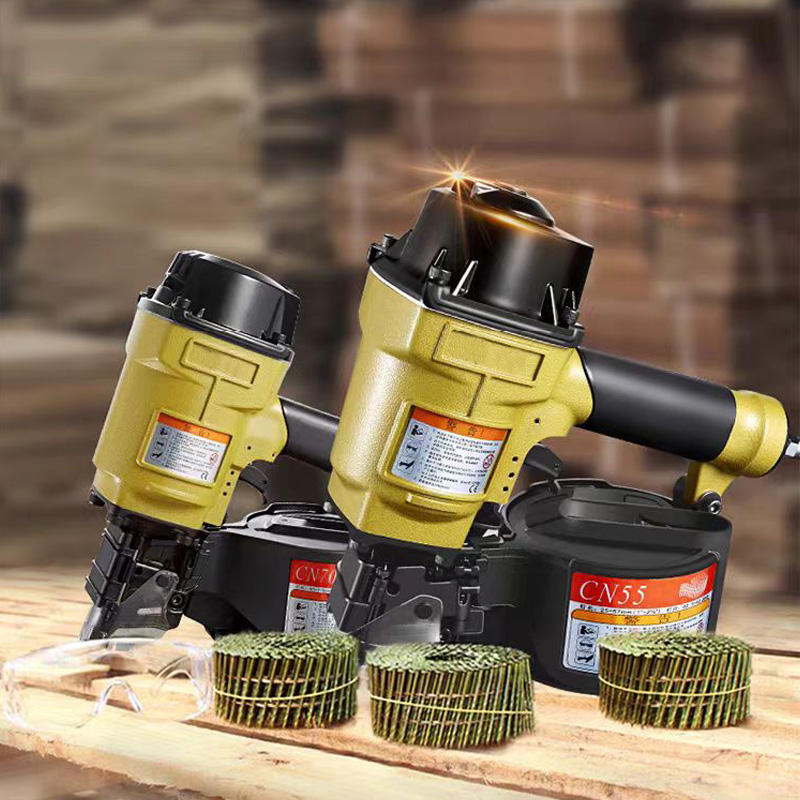
When it comes to metal or concrete, you'll need specialized nails. For metal, you can use nails with a hardened shank that can penetrate the metal surface. For concrete, you'll need masonry nails, which are designed to be driven into concrete or brick using a hammer or an Air Coil Nail Gun.
Think About the Project Application
The application of your project will also influence your nail choice. For example, if you're building a simple wooden box, you can use common nails with a flat head and a smooth shank. These nails will hold the pieces together securely without being too overkill.
If you're working on a roofing project, Screw Shank Roofing Nails are a great choice. Their threaded shanks provide excellent holding power, which is essential to keep the roofing materials in place, especially in windy conditions.
For decking, you'll want to use nails that are resistant to corrosion. Galvanized nails are a popular option because they're coated with a layer of zinc that protects them from rusting. You can also consider using stainless - steel nails, which are even more corrosion - resistant but can be a bit more expensive.
Nail Size Matters
The size of the nail is another important consideration. Nail size is typically measured in "penny" (d) sizes. The larger the penny size, the longer and thicker the nail. For example, a 2d nail is about 1 inch long, while a 16d nail is about 3.5 inches long.
When choosing the nail size, you need to make sure the nail is long enough to penetrate the material and provide a strong hold. As a general rule of thumb, the nail should be at least three times the thickness of the material you're nailing through. So, if you're nailing a 1 - inch thick board to another surface, you should use a nail that's at least 3 inches long.
Quality and Coating
The quality of the nail can have a big impact on your project. High - quality nails are made from strong and durable materials, which means they're less likely to bend or break when you're driving them in. You can usually tell the quality of a nail by looking at its finish. A smooth and consistent finish is a sign of a well - made nail.
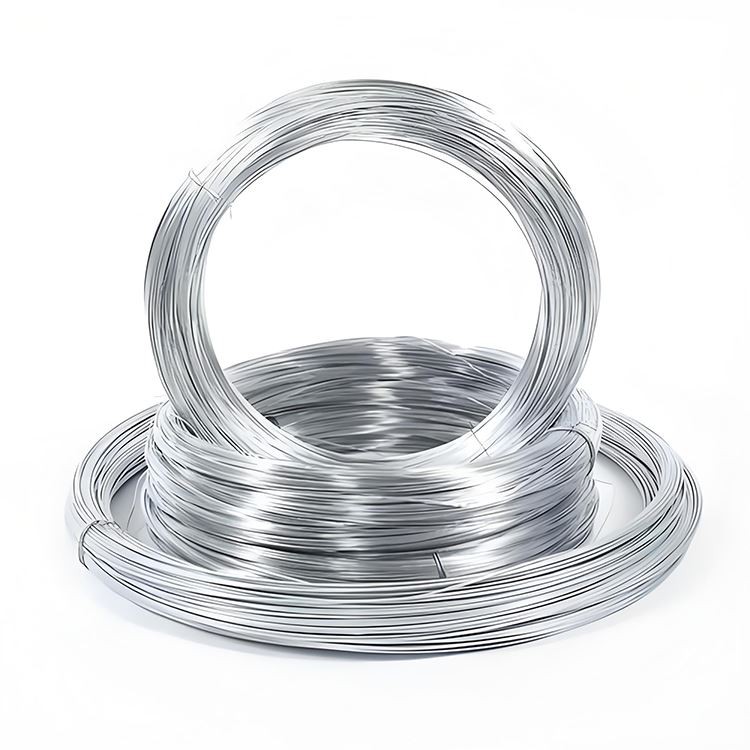
The coating on the nail is also important. As mentioned earlier, galvanized nails are coated with zinc to prevent rusting. This makes them suitable for outdoor projects or projects in damp environments. Other coatings, like epoxy or vinyl, can also provide additional protection and improve the nail's performance. For example, epoxy - coated nails have better holding power and are more resistant to corrosion than uncoated nails. You can find nails made from high - quality Galvanized Steel Wire, which are a great choice for many projects.
Cost and Availability
Cost is always a factor when choosing nails. While it might be tempting to go for the cheapest option, remember that quality often comes at a price. Cheaper nails might be made from lower - grade materials and might not provide the same level of performance as more expensive ones. However, that doesn't mean you have to break the bank. There are many good - quality nails available at reasonable prices.
Availability is also important. You want to make sure you can easily find the nails you need when you need them. If you're working on a large project, it's a good idea to buy your nails in bulk to save money and ensure you have enough for the entire project.
Conclusion
Choosing the right common nails for your project doesn't have to be a daunting task. By considering the material, application, size, quality, coating, cost, and availability, you can make an informed decision. As a common nail supplier, I'm here to help you find the perfect nails for your project. Whether you're a DIY beginner or a seasoned pro, I've got a wide range of nails to meet your needs.
If you're interested in purchasing nails for your next project, feel free to reach out. We can discuss your specific requirements and find the best nails for you. Let's make your project a success together!
References
- Wood Handbook: Wood as an Engineering Material. U.S. Department of Agriculture, Forest Service, Forest Products Laboratory.
- Construction Nails: A Guide to Selection and Use. National Nail Corporation.