

Preventing the bending of smooth coil nails during nailing is a crucial concern for both professionals and DIY enthusiasts. As a supplier of Smooth Coil Nails, I've encountered numerous customers facing this issue. In this blog, I'll share some practical tips and insights based on my experience in the industry to help you achieve better nailing results.
Understanding the Causes of Nail Bending
Before we delve into the prevention methods, it's essential to understand why smooth coil nails bend during nailing. Several factors can contribute to this problem:
- Incorrect Nail Selection: Using nails that are too thin or too short for the material you're nailing into can cause bending. For example, if you're working with hardwood, you'll need a thicker and longer nail to ensure it penetrates the material without bending.
- Poor Nail Gun Adjustment: If the nail gun is not adjusted correctly, it can cause the nails to be driven at an angle or with insufficient force, leading to bending. Make sure to follow the manufacturer's instructions when adjusting the nail gun for different materials and nail sizes.
- Hard or Dense Materials: Nailing into hard or dense materials such as hardwood, concrete, or metal can put extra stress on the nails, increasing the likelihood of bending. In these cases, it's important to use the appropriate nails and techniques to prevent bending.
- Obstructions in the Material: If there are knots, screws, or other obstructions in the material, the nails may hit them and bend. Always inspect the material before nailing to avoid hitting any obstructions.
Choosing the Right Nails
One of the most important steps in preventing nail bending is choosing the right nails for the job. Here are some tips to help you select the appropriate nails:
- Consider the Material: Different materials require different types of nails. For example, for softwood, you can use thinner and shorter nails, while for hardwood, you'll need thicker and longer nails. Make sure to choose nails that are specifically designed for the material you're working with.
- Check the Nail Size: The size of the nail is also crucial. Using nails that are too small may not provide enough holding power, while using nails that are too large can cause splitting or bending. Refer to the manufacturer's guidelines or consult with a professional to determine the appropriate nail size for your project.
- Choose the Right Point Type: The point type of the nail can also affect its performance. For example, Diamond Point Coil Nails are designed to penetrate hard materials easily, while Chisel Point Smooth Coil Nails are ideal for general-purpose nailing. Select the point type that suits your specific needs.
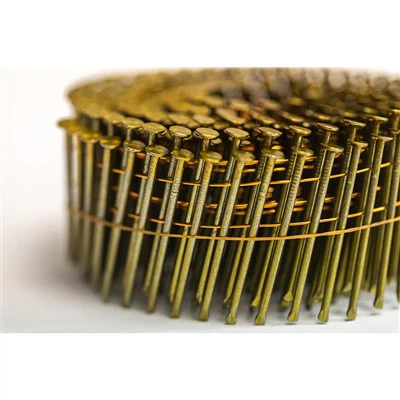
- Consider the Coating: Nails with a coating can provide additional protection against corrosion and improve their holding power. For example, Coil Nail Yellow Coated Smooth Shank are coated with a yellow zinc layer, which offers excellent corrosion resistance. Choose a coated nail if you're working in a moist or corrosive environment.
Proper Nail Gun Operation
In addition to choosing the right nails, proper nail gun operation is also essential to prevent nail bending. Here are some tips to help you operate the nail gun correctly:

- Read the Manual: Before using the nail gun, make sure to read the manufacturer's manual carefully. Familiarize yourself with the different parts of the nail gun, its operation, and safety precautions.
- Adjust the Depth Setting: The depth setting of the nail gun determines how far the nail is driven into the material. Adjust the depth setting according to the thickness of the material and the length of the nail. If the nail is driven too shallow, it may not provide enough holding power, while if it is driven too deep, it may cause splitting or bending.
- Hold the Nail Gun Steady: When nailing, hold the nail gun steady and perpendicular to the material. Avoid tilting or angling the nail gun, as this can cause the nails to be driven at an angle and bend.
- Use the Right Pressure: Apply the right amount of pressure when pulling the trigger of the nail gun. Too much pressure can cause the nails to be driven too fast and bend, while too little pressure may not drive the nails deep enough.
- Clear the Jammed Nails: If the nail gun jams, stop using it immediately and follow the manufacturer's instructions to clear the jam. Do not try to force the nail gun to work, as this can cause damage to the nail gun and increase the risk of nail bending.
Preparing the Material
Preparing the material before nailing can also help prevent nail bending. Here are some tips to help you prepare the material:
- Inspect the Material: Before nailing, inspect the material for any knots, screws, or other obstructions. If there are any obstructions, mark them and avoid nailing in those areas.
- Drill Pilot Holes: For hard or dense materials, drilling pilot holes can help reduce the stress on the nails and prevent bending. The diameter of the pilot hole should be slightly smaller than the diameter of the nail.
- Moisten the Material: For dry or brittle materials, moistening the material before nailing can make it more flexible and reduce the risk of splitting or bending. You can use a spray bottle to moisten the material lightly.
- Use a Backer Board: When nailing into thin or fragile materials, using a backer board can provide additional support and prevent the nails from bending. Place the backer board behind the material and nail through both the material and the backer board.
Other Tips and Tricks
Here are some additional tips and tricks to help you prevent nail bending:
- Use a Nail Set: A nail set is a small tool that can be used to drive the nail head below the surface of the material. Using a nail set can help prevent the nail head from bending or splitting the material.
- Work in Small Sections: When nailing large or long pieces of material, work in small sections to ensure that the nails are driven straight and evenly. This can help prevent the material from warping or bending.
- Take Breaks: Nailing can be a physically demanding task, so it's important to take breaks regularly to avoid fatigue. Fatigue can affect your accuracy and increase the risk of nail bending.
- Practice on Scrap Material: If you're new to nailing or using a new nail gun, practice on scrap material first to get a feel for the tool and the nailing process. This can help you improve your technique and prevent nail bending.
Conclusion
Preventing the bending of smooth coil nails during nailing requires a combination of proper nail selection, correct nail gun operation, and careful material preparation. By following the tips and insights shared in this blog, you can minimize the risk of nail bending and achieve better nailing results.
As a supplier of Smooth Coil Nails, I'm committed to providing high-quality products and excellent customer service. If you have any questions or need further assistance with your nailing projects, please don't hesitate to contact me. I'm always here to help you find the right nails for your needs and ensure your projects are a success.
References
- Woodworking Magazine. (Year). Tips for Preventing Nail Bending.
- Construction Equipment Guide. (Year). Proper Nail Gun Operation.
- DIY Network. (Year). Preparing Materials for Nailing.