

As a supplier of threaded nails, I often get asked the question: "How deep should a threaded nail be driven?" It's a crucial query, as the proper depth of a threaded nail can significantly impact the structural integrity and longevity of a project. In this blog post, I'll delve into the factors that determine the ideal depth for driving threaded nails and provide some practical guidelines.
Understanding the Basics of Threaded Nails
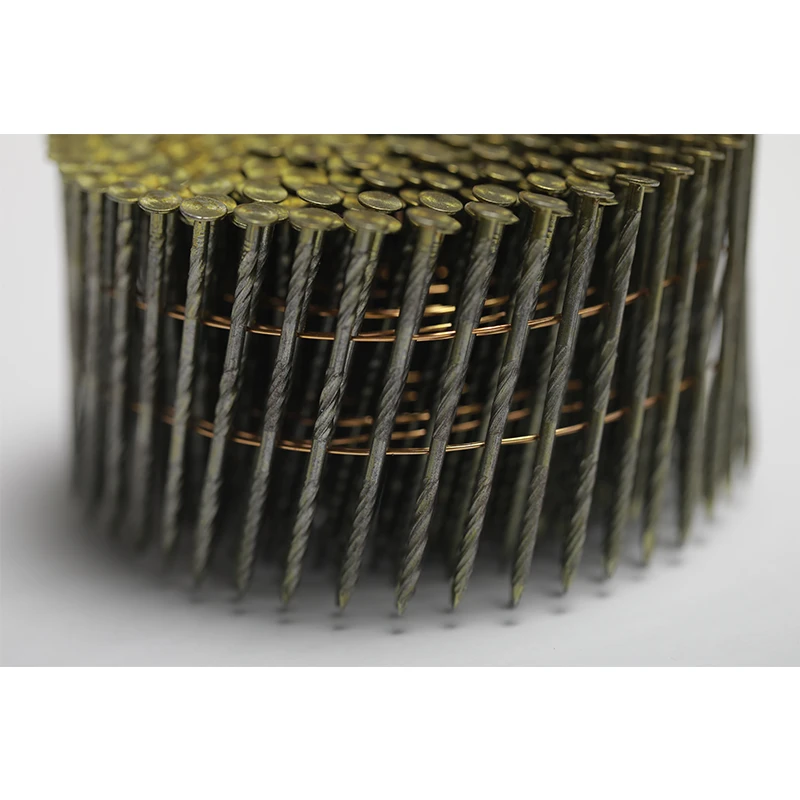
Threaded nails, also known as screw nails, are designed with a helical thread that provides enhanced holding power compared to traditional smooth - shank nails. This thread bites into the material, creating a stronger bond and reducing the likelihood of the nail backing out over time. They are commonly used in various applications, such as roofing, decking, and framing.
Factors Affecting the Driving Depth
Material Type
The type of material you're nailing into is one of the most important factors. For example, when working with softwoods like pine or cedar, the nail can penetrate more easily. These woods have a lower density, so the nail doesn't need to be driven as deeply to achieve a secure hold. On the other hand, hardwoods such as oak or maple are much denser. To ensure a strong connection, the threaded nail must be driven deeper into the material.
Load - Bearing Requirements
The load that the fastened joint will bear also plays a significant role. In applications where the joint will be subject to heavy loads or vibrations, such as in structural framing, the nails need to be driven deeper. This extra depth provides more surface area for the thread to grip the material, increasing the overall strength of the connection. For light - duty applications like attaching trim or paneling, a shallower drive may be sufficient.
Nail Size and Thread Design
The size of the threaded nail matters. Larger nails generally need to be driven deeper to fully utilize their holding power. Additionally, the design of the thread can affect the driving depth. Nails with a finer thread may require a different driving depth compared to those with a coarser thread. Finer threads can provide a more precise hold but may need to be driven deeper to achieve the same level of strength as a coarser - threaded nail.
General Guidelines for Driving Depth
Roofing Applications
In roofing, Screw Shank Roofing Nails are commonly used. The ideal driving depth for these nails typically depends on the thickness of the roofing material. For asphalt shingles, the nail should penetrate through the shingle and into the roof deck by at least 3/4 of an inch. This ensures that the shingle is securely attached and won't be easily lifted by wind or other forces. When using thicker roofing materials like metal or slate, the nail may need to be driven even deeper to ensure a proper hold.
Decking
When installing decking boards, the driving depth of threaded nails is crucial for preventing the boards from warping or separating. For most decking materials, such as pressure - treated lumber, the nail should be driven so that the head is flush with the surface of the board and the nail penetrates at least 1 - 1.5 inches into the joist below. This provides enough holding power to keep the decking in place, even under the weight of foot traffic and outdoor elements. Our 2.5mmx57mm Screw Shank Coil Nails are a popular choice for decking applications due to their appropriate size and strong holding power.
Framing
In structural framing, the driving depth requirements are more stringent. Threaded nails used in framing should be driven to a depth that allows them to fully engage with the framing members. For 2x4 or 2x6 framing lumber, the nail should penetrate at least 2 inches into the opposing member. This ensures that the frame can withstand the forces of wind, seismic activity, and the weight of the structure itself. Our 3 Coil Nails are well - suited for framing applications, providing the necessary strength and holding power.
Tools and Techniques for Achieving the Right Depth
To drive threaded nails to the correct depth, it's essential to use the right tools. A nail gun with adjustable depth settings is highly recommended. This allows you to set the depth according to the specific requirements of your project. Before starting the full installation, it's a good idea to test the nail gun on a scrap piece of the same material to ensure that the depth is correct.

If you're using a hammer to drive the nails, it requires more skill and experience. You need to pay close attention to the feel of the hammer strikes and the resistance of the material. Make sure to drive the nail straight and avoid over - driving or under - driving.
Importance of Proper Driving Depth
Driving threaded nails to the correct depth is not just about following guidelines; it's about ensuring the safety and durability of your project. If the nail is driven too shallow, it may not provide enough holding power, leading to joints that loosen over time. This can compromise the structural integrity of the entire project, especially in load - bearing applications. On the other hand, over - driving the nail can cause the material to split, weakening the connection and potentially ruining the appearance of the finished work.
Conclusion
Determining how deep a threaded nail should be driven is a complex process that depends on multiple factors, including material type, load - bearing requirements, and nail size. By understanding these factors and following the general guidelines provided, you can ensure that your projects are secure and long - lasting.
As a threaded nail supplier, I'm committed to providing high - quality products and expert advice to help you achieve the best results. If you're in the market for threaded nails for your next project, I encourage you to reach out to discuss your specific needs. Whether it's for roofing, decking, or framing, we have a wide range of threaded nails to meet your requirements. Contact us today to start the procurement process and let's work together to make your project a success.
References
- Building Codes and Standards related to nail installation in construction.
- Manufacturer's guidelines for threaded nails.
- Industry research on the performance of threaded nails in different applications.