

As a supplier of Ring Shank Coil Nails, I've received numerous inquiries about the performance of these nails in composite materials. This blog aims to delve into this topic comprehensively, exploring the effectiveness of ring shank coil nails in composite materials, their advantages, potential challenges, and more.
Understanding Ring Shank Coil Nails
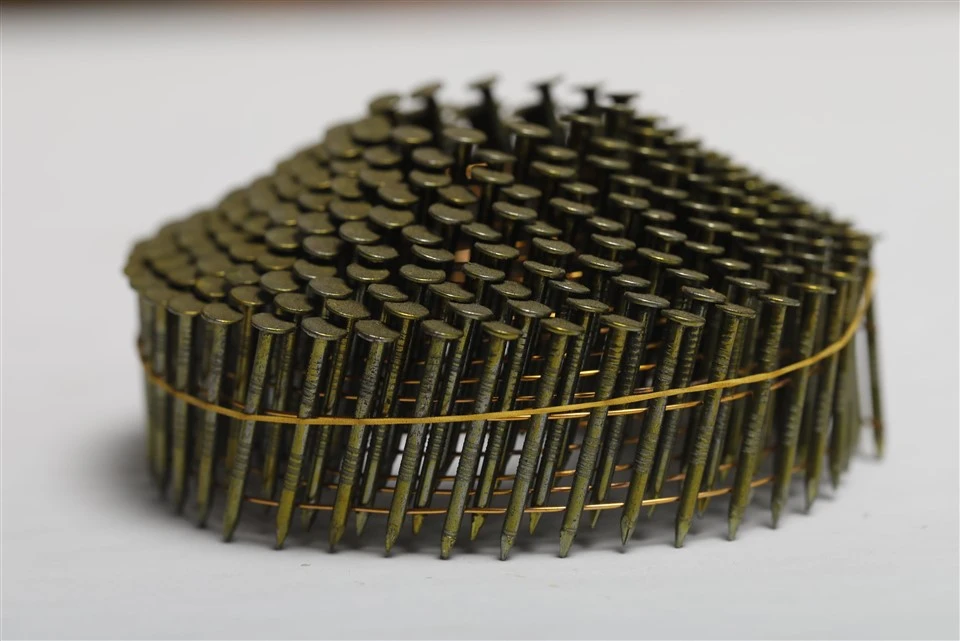
Ring shank coil nails are a type of fastener with unique features. The ring shank design consists of a series of rings or ridges along the nail shaft. This design provides several benefits compared to smooth - shank nails. The rings increase the nail's holding power by creating more surface area for friction with the material it is driven into. Coil nails are typically used in nail guns, which allows for fast and efficient installation. They are often used in construction, woodworking, and other applications where a large number of nails need to be driven quickly.
Composite Materials: An Overview
Composite materials are engineered materials made from two or more constituent materials with significantly different physical or chemical properties. In the context of construction and woodworking, composite materials are often used as alternatives to traditional wood. They can be made from a combination of wood fibers, plastics, resins, and other additives. Composite materials are known for their durability, resistance to rot and insects, and low maintenance requirements. Some common types of composite materials used in construction include wood - plastic composites (WPCs), fiberglass - reinforced plastics (FRPs), and particleboard.
The Effectiveness of Ring Shank Coil Nails in Composite Materials
Positive Aspects
- Enhanced Holding Power: One of the primary advantages of using ring shank coil nails in composite materials is their superior holding power. The rings on the nail shaft create a mechanical interlock with the composite material, preventing the nail from pulling out easily. This is particularly important in applications where the joint is subject to significant stress or movement. For example, in the construction of decks or fences, the nails need to withstand the weight of people, furniture, and external forces such as wind and rain. The increased holding power of ring shank coil nails ensures the long - term stability of these structures.
- Resistance to Withdrawal: Composite materials can expand and contract due to changes in temperature and humidity. Smooth - shank nails may loosen over time as the material moves, leading to joint failure. Ring shank coil nails, on the other hand, are more resistant to withdrawal because of their enhanced grip. The rings bite into the composite material, holding the nail firmly in place even when the material undergoes movement.
- Efficient Installation: When using a nail gun, ring shank coil nails can be installed quickly and accurately. This is especially beneficial when working with large areas of composite materials. The coiled design allows for a continuous supply of nails, reducing the need for frequent reloading. This not only saves time but also increases productivity on the job site.
Potential Challenges
- Material Compatibility: While ring shank coil nails generally work well in composite materials, some composites may have unique properties that could pose challenges. For example, very hard or brittle composite materials may crack or split when the nail is driven in. In such cases, it's important to choose the right size and type of nail to minimize the risk of damage.
- Cost: Ring shank coil nails are often more expensive than smooth - shank nails. This can be a consideration for large - scale projects where cost is a significant factor. However, it's important to weigh the cost against the benefits. The improved performance and long - term durability of ring shank coil nails may justify the higher cost in many applications.
Applications of Ring Shank Coil Nails in Composite Materials
- Decking: Composite decking is a popular choice for outdoor living spaces. Ring shank coil nails are ideal for installing composite deck boards because they provide a strong and secure connection. The enhanced holding power ensures that the boards stay in place, even in harsh weather conditions. You can find suitable nails like Ring Shank 2''x.099'' Wire Pallet Coil Nails, which are well - suited for this type of application.
- Fencing: Composite fences are recognized for their durability and low maintenance. Ring shank coil nails help in constructing a sturdy fence that can withstand the test of time. The nails' resistance to withdrawal prevents the fence panels from coming loose, maintaining the integrity of the entire fence structure. Ring Shank 2 1/4''x.099'' Wire Pallet Coil Nails are a great option for fencing projects.
- Interior Paneling: Composite materials are also used for interior paneling. Ring shank coil nails can be used to attach the panels to the walls or frames. Their efficient installation and strong holding power make them a practical choice for achieving a professional - looking finish. 2.1x32mm/2.1x38mm Conical (dome) Ring Shank Wire Coil Nails are commonly used in interior paneling applications.
Tips for Using Ring Shank Coil Nails in Composite Materials
- Choose the Right Size: The size of the nail is crucial for ensuring proper performance. The length of the nail should be sufficient to penetrate the composite material and provide a secure hold. The diameter of the nail should also be appropriate for the thickness of the material.
- Adjust the Nail Gun: Make sure the nail gun is properly adjusted for the type and size of nails being used. The air pressure or driving force should be set correctly to avoid under - driving or over - driving the nails.
- Pre - drill if Necessary: In some cases, especially with very hard or brittle composite materials, pre - drilling holes can help prevent cracking or splitting. This is a simple step that can significantly improve the installation process and the overall performance of the nails.
Conclusion
In conclusion, ring shank coil nails generally work well in composite materials. Their enhanced holding power, resistance to withdrawal, and efficient installation make them a popular choice for a variety of applications. However, it's important to consider the specific properties of the composite material and choose the right size and type of nail. By following the tips mentioned above, you can ensure a successful installation and a long - lasting joint.

If you're interested in purchasing high - quality ring shank coil nails for your composite material projects, we're here to assist you. Our team of experts can provide you with detailed product information and help you choose the right nails for your specific needs. Contact us today to start the procurement process and discuss how our ring shank coil nails can enhance your projects.
References
- Forest Products Laboratory. "Wood Handbook: Wood as an Engineering Material." USDA Forest Service, 2010.
- Simpson Strong - Tie. "Fastening Systems for Composite Materials." Simpson Strong - Tie Technical Manual, 2021.
- Composite Materials Association. "Guide to Using Composite Materials in Construction." Composite Materials Association, 2020.