

Hey there! As a supplier of Collated Framing Nails, I often get asked whether these nails work well in softwood. Well, let's dive right into it and find out.
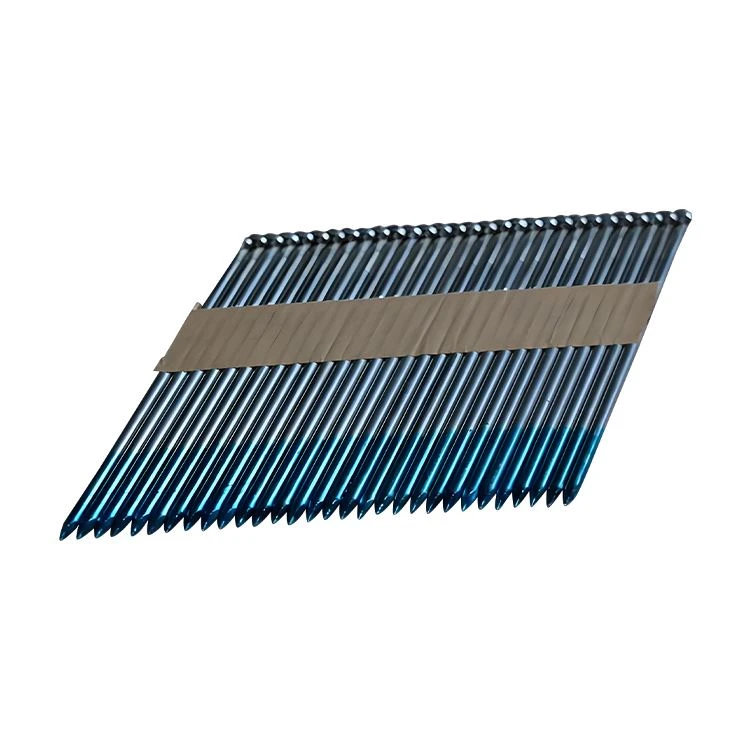
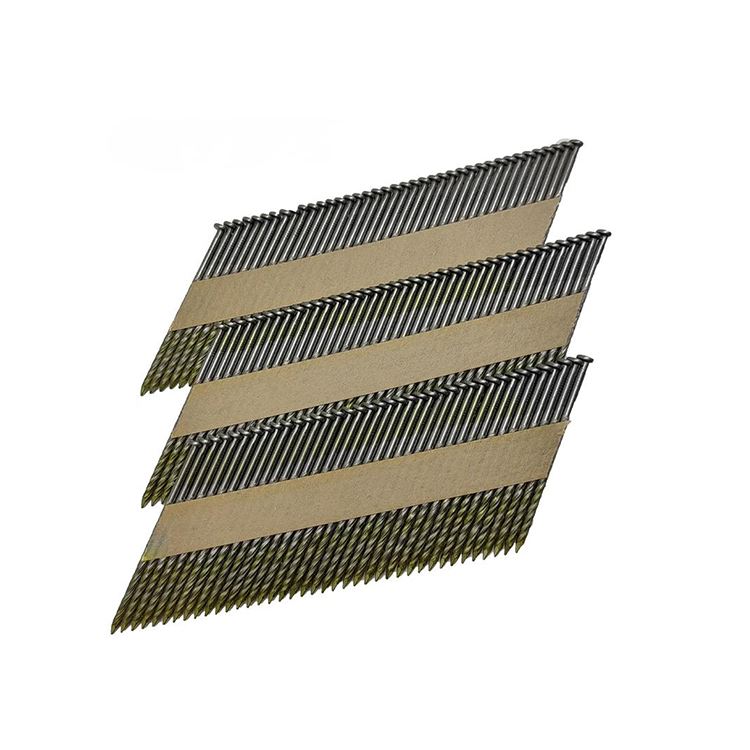
First off, what exactly are collated framing nails? These are nails that are connected together in strips or coils, which makes them super convenient to use with nail guns. They save a ton of time compared to using single nails, as you don't have to keep loading one nail at a time. And they're used in all sorts of construction projects, from building houses to making furniture.
Now, let's talk about softwood. Softwood comes from coniferous trees like pine, spruce, and cedar. It's generally lighter, less dense, and easier to work with than hardwood. Softwood is a popular choice for many DIYers and professional builders because it's relatively inexpensive and readily available. But how do collated framing nails perform in this type of wood?
Advantages of Using Collated Framing Nails in Softwood
One of the biggest advantages is the ease of installation. Softwood is so much softer than hardwood that the nails can be driven in with less force. When you're using a nail gun loaded with collated framing nails, this means you can work faster and more efficiently. You won't have to worry about the nail bending or splitting the wood, which is a common problem when using other types of fasteners.
Another great thing is the holding power. Collated framing nails are designed to grip the wood firmly. In softwood, they can create a strong bond that holds the pieces together securely. This is especially important in structural applications, where you need the joints to be stable and reliable.
Collated framing nails also come in different types and sizes, which gives you a lot of flexibility. For example, Ring Hot Dipped Galvanized Nails have a ringed shank that provides extra holding power. The hot-dipped galvanization process also makes them resistant to rust, which is a big plus, especially if the softwood is going to be exposed to the elements.
Potential Challenges
Of course, it's not all sunshine and rainbows. There are a few potential challenges you might face when using collated framing nails in softwood.
One issue is over-penetration. Because softwood is so soft, there's a risk that the nail might go through the wood too far. This can weaken the joint and make it look messy. To avoid this, you need to adjust the depth setting on your nail gun. Most modern nail guns have a depth adjustment feature that allows you to control how far the nail goes into the wood.
Another problem is that softwood can sometimes be a bit too soft to hold the nails tightly over time. If the wood dries out or shrinks, the nails might loosen up. This is more likely to happen with thinner or shorter nails. To prevent this, you might want to choose 28 Degree Ring Shank Wire Framing Nails. The ring shank design provides better resistance to pulling out, even in softwood.
Choosing the Right Nails
When it comes to choosing the right collated framing nails for softwood, there are a few things to consider.
Size: The size of the nail depends on the thickness of the wood and the type of application. For most softwood framing projects, nails that are 2 - 3 inches long are a good choice. Longer nails are better for thicker pieces of wood, while shorter nails can be used for lighter framing or trim work.
Type of Shank: As mentioned earlier, ring shank nails provide better holding power than smooth shank nails. They're a great option for softwood because they can grip the wood more securely. However, they can be a bit more difficult to drive in, so you might need a more powerful nail gun.
Coating: If the softwood is going to be exposed to moisture, you'll want to choose nails with a rust-resistant coating. Galvanized nails are a popular choice because they're affordable and offer good protection against rust.
Testing in the Real World
I've seen these nails in action in countless construction projects. One time, a contractor was building a small shed using pine, which is a common softwood. He used 30 Degree Framing Nails and was really impressed with how quickly and easily he could assemble the frame. The nails went in smoothly, and the joints were strong and stable. He didn't have any issues with splitting or over-penetration, and the shed has held up well over time.
Conclusion
So, do collated framing nails work well in softwood? The answer is a resounding yes! They offer many advantages, such as easy installation, strong holding power, and flexibility in terms of types and sizes. While there are a few potential challenges, these can be easily overcome with the right techniques and nail selection.
If you're planning a construction project using softwood, I highly recommend giving collated framing nails a try. They can save you time, money, and a lot of hassle. And if you're looking for high-quality collated framing nails, I'm here to help. Whether you need advice on the right nails for your project or you're ready to place an order, just reach out. We can have a chat about your specific needs and find the perfect solution for you.
References
- Wood Handbook: Wood as an Engineering Material, U.S. Department of Agriculture, Forest Service, Forest Products Laboratory
- Construction Nails: A Guide to Fastening Solutions, National Nail Corporation