

Do collated framing nails work better in new or old wood? This is a question that often comes up among contractors, carpenters, and DIY enthusiasts. As a supplier of collated framing nails, I've had the opportunity to see these nails in action in various woodworking projects. In this blog post, I'll share my insights on how collated framing nails perform in new and old wood, and help you make an informed decision for your next project.
Understanding Collated Framing Nails
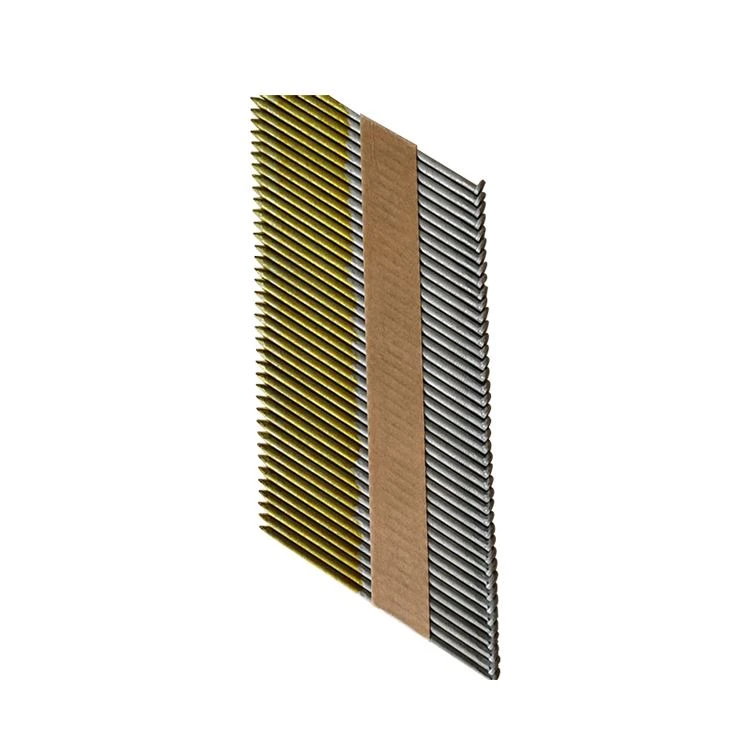
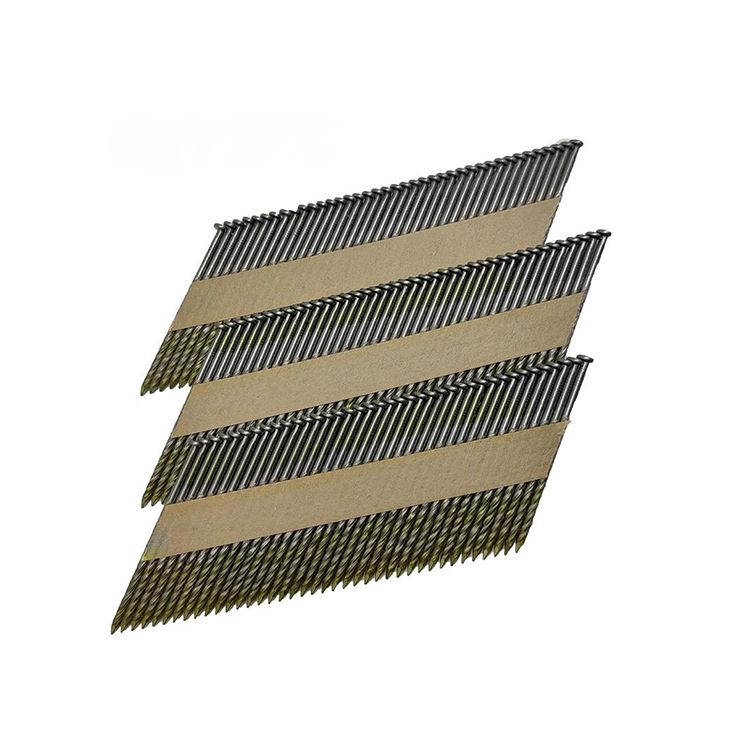
Before we dive into the performance of collated framing nails in different types of wood, let's first understand what they are. Collated framing nails are nails that are held together in a strip or coil, making them easy to load into a nail gun. This design allows for faster and more efficient nailing, reducing the time and effort required for framing projects.
There are several types of collated framing nails available, each with its own unique features and benefits. Some of the most common types include Ring Shank Framing Nails, Smooth Shank Round Head Framing Nails, and 21 Degree Plastic Framing Nails. The choice of nail type depends on the specific requirements of your project, such as the type of wood, the application, and the desired holding power.
Performance in New Wood
New wood, also known as green wood, is freshly cut and has a high moisture content. This moisture can affect the performance of collated framing nails in several ways.
One of the main advantages of using collated framing nails in new wood is that they can penetrate the wood more easily. The softness of the new wood allows the nails to drive in smoothly, reducing the risk of splitting or cracking. This makes them ideal for framing projects where speed and efficiency are important.
However, the high moisture content in new wood can also cause some issues. As the wood dries and shrinks over time, it can put pressure on the nails, causing them to loosen or pull out. This can compromise the structural integrity of the framing and lead to problems down the line. To prevent this, it's important to choose nails with a high holding power, such as ring shank nails, which are designed to grip the wood more securely.
Another consideration when using collated framing nails in new wood is the potential for corrosion. The moisture in the wood can create a humid environment that can cause the nails to rust. To prevent this, it's recommended to use nails that are coated with a corrosion-resistant material, such as galvanized or stainless steel.
Performance in Old Wood
Old wood, on the other hand, has had time to dry and stabilize. This makes it harder and more dense than new wood, which can affect the performance of collated framing nails.
One of the challenges of using collated framing nails in old wood is that they can be more difficult to penetrate. The hardness of the wood can cause the nails to bend or break, especially if the nail gun is not powerful enough. To overcome this, it's important to choose nails with a sharp point and a strong shank, and to use a nail gun that is appropriate for the type of wood.
Despite the challenges, collated framing nails can still provide a strong and secure hold in old wood. The dryness of the wood allows the nails to grip more tightly, reducing the risk of loosening or pulling out. This makes them a good choice for repairs and renovations, where the existing framing may be made of old wood.
Another advantage of using collated framing nails in old wood is that they are less likely to cause splitting or cracking. The stability of the wood reduces the risk of the nails causing damage, making them a safer option for delicate or valuable woodwork.
Factors to Consider
When deciding whether to use collated framing nails in new or old wood, there are several factors to consider.
- Type of Wood: Different types of wood have different properties, such as hardness, density, and moisture content. These properties can affect the performance of the nails, so it's important to choose nails that are appropriate for the type of wood.
- Application: The specific application of the framing nails also plays a role in their performance. For example, if you're building a load-bearing structure, you'll need nails with a high holding power. If you're doing a decorative project, you may be able to use nails with a lower holding power.
- Nail Type: As mentioned earlier, there are several types of collated framing nails available, each with its own unique features and benefits. The choice of nail type depends on the specific requirements of your project.
- Nail Gun: The power and performance of the nail gun can also affect the performance of the nails. Make sure to choose a nail gun that is appropriate for the type of wood and the size of the nails.
Conclusion
In conclusion, collated framing nails can work well in both new and old wood, but they have different performance characteristics in each type of wood. New wood is softer and easier to penetrate, but it can cause the nails to loosen over time. Old wood is harder and more difficult to penetrate, but it provides a stronger and more secure hold.
When choosing collated framing nails for your project, it's important to consider the type of wood, the application, the nail type, and the nail gun. By taking these factors into account, you can ensure that you choose the right nails for the job and achieve a strong and secure framing.
If you're in the market for collated framing nails, I invite you to contact us to discuss your specific requirements. Our team of experts can help you choose the right nails for your project and provide you with competitive pricing and excellent customer service. We look forward to working with you.
References
- "Wood Properties and Their Influence on Nail Performance" by the Forest Products Laboratory
- "Nail Selection Guide" by the National Nail Corporation
- "Framing Nailers: How to Choose the Right One" by This Old House