

Can smooth coil nails be used for roofing?
Roofing is a critical aspect of any building's construction, providing protection against the elements and contributing to the overall structural integrity. When it comes to roofing, choosing the right nails is essential for ensuring a secure and long - lasting installation. As a supplier of Smooth Coil Nails, I often get asked whether smooth coil nails can be used for roofing. In this blog, we'll explore this question in detail.

Understanding Smooth Coil Nails
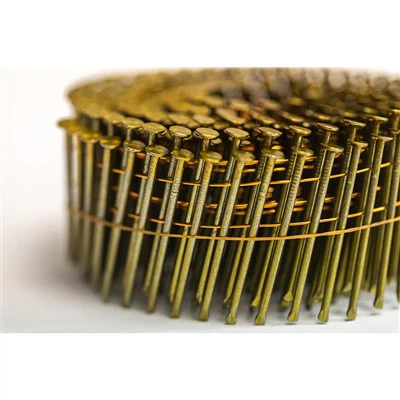
Smooth coil nails are characterized by their smooth shanks, which are wound into a coil for easy use in nail guns. They come in various sizes, lengths, and coatings to suit different applications. For instance, we offer Non - standard Smooth Coil Nails, Coil Nail Yellow Coated Smooth Shank, and Chisel Point Smooth Coil Nails, each designed to meet specific requirements.

The smooth shank design of these nails allows for easy penetration into the roofing material. Unlike nails with threaded or ring - shanked designs, smooth coil nails can be driven in quickly and with less resistance, which can speed up the roofing installation process.
Advantages of Using Smooth Coil Nails for Roofing
- Ease of Installation One of the primary advantages of smooth coil nails for roofing is their ease of installation. Nail guns can fire smooth coil nails rapidly, allowing roofers to cover large areas quickly. This not only saves time but also reduces labor costs. The smooth shank slides easily through the roofing material, minimizing the risk of splitting or damaging the shingles or other roofing components.
- Versatility Smooth coil nails can be used with a wide range of roofing materials. Whether you're installing asphalt shingles, wood shakes, or metal roofing, smooth coil nails can provide a reliable fastening solution. They can be adjusted to different lengths depending on the thickness of the roofing material, ensuring a proper hold.
- Cost - Effectiveness Compared to some specialty roofing nails, smooth coil nails are often more cost - effective. They are mass - produced, which helps keep the price down. For large - scale roofing projects, the cost savings can be significant without sacrificing the quality of the installation.
Limitations of Using Smooth Coil Nails for Roofing
- Holding Power The main drawback of smooth coil nails is their relatively lower holding power compared to nails with textured shanks. In areas prone to high winds or extreme weather conditions, smooth coil nails may be more likely to pull out over time. The smooth surface of the nail does not provide as much friction as a threaded or ring - shanked nail, which can result in a less secure attachment.
- Risk of Pull - Through In some roofing materials, especially softer ones like certain types of insulation or thin plywood, there is a risk of the smooth coil nail pulling through. This can compromise the integrity of the roofing system and lead to leaks or other problems.
Factors to Consider When Using Smooth Coil Nails for Roofing
- Roofing Material As mentioned earlier, the type of roofing material plays a crucial role in determining whether smooth coil nails are suitable. For asphalt shingles, smooth coil nails are often a good choice as they can penetrate easily without causing damage. However, for more heavy - duty roofing materials like slate or tile, nails with greater holding power may be required.
- Climate and Weather Conditions The local climate and weather conditions are important factors. In areas with high wind speeds, hurricanes, or heavy snow loads, it may be necessary to use nails with better holding power to prevent the roofing material from being lifted or damaged. In milder climates, smooth coil nails may be sufficient.
- Building Codes and Regulations It's essential to check the local building codes and regulations regarding roofing nails. Some areas may have specific requirements for the type, size, and spacing of nails used in roofing installations. Ensure that the smooth coil nails you choose comply with these regulations.
Best Practices for Using Smooth Coil Nails in Roofing
- Proper Nail Selection Choose the right size and length of smooth coil nails for your roofing project. The nail should be long enough to penetrate through the roofing material and into the underlying structure, typically at least 3/4 of an inch. Consider the coating of the nail as well; for example, a yellow - coated smooth shank nail can provide some corrosion resistance.
- Correct Installation Technique Use a high - quality nail gun that is compatible with smooth coil nails. Ensure that the nail gun is adjusted to the correct pressure to drive the nails in properly. Nails should be driven straight and flush with the roofing material to provide a secure hold.
- Regular Inspections After the roofing installation is complete, conduct regular inspections to check for any signs of nail pull - out or other issues. In case of any problems, replace the affected nails promptly to maintain the integrity of the roofing system.
Conclusion
In conclusion, smooth coil nails can be used for roofing, but their suitability depends on several factors. They offer advantages such as ease of installation, versatility, and cost - effectiveness, but they also have limitations in terms of holding power. By carefully considering the roofing material, climate, and building codes, and following best practices for installation and maintenance, smooth coil nails can be a viable option for many roofing projects.
If you're considering using smooth coil nails for your roofing project or have any questions about our products, we invite you to contact us for a detailed discussion. We're here to help you make the best choice for your specific needs.
References
- "Roofing Nails: Types and Applications" - Roofing Industry Journal
- "Building Codes and Roofing Fasteners" - National Building Code Association