

As a supplier of Smooth Coil Nails, I'm often asked about the recyclability of these products. In this blog post, I'll delve into the topic of whether smooth coil nails can be recycled, exploring the materials they're made of, the recycling process, and the environmental benefits of recycling them.
What Are Smooth Coil Nails?
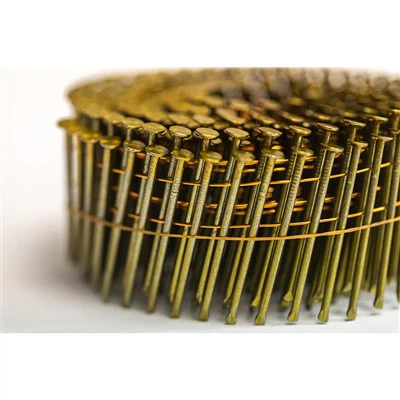
Smooth coil nails are a type of fastener commonly used in construction and woodworking projects. They are typically made of steel and are designed to be used with a nail gun. The smooth shank of these nails allows them to be driven easily into wood or other materials, providing a secure hold. There are different types of smooth coil nails, such as Chisel Point Smooth Coil Nails, Diamond Point Coil Nails, and Coil Nail Yellow Coated Smooth Shank.
Materials Used in Smooth Coil Nails
The primary material used in smooth coil nails is steel. Steel is an alloy made primarily of iron and carbon, with small amounts of other elements such as manganese, silicon, and sulfur. The addition of these elements gives steel its strength, durability, and other desirable properties.
Some smooth coil nails may also have a coating on the surface to prevent rust and corrosion. Common coatings include zinc, yellow chromate, and other anti - rust compounds. These coatings can affect the recycling process to some extent, but overall, the steel base of the nails remains the key factor in their recyclability.
Can Smooth Coil Nails Be Recycled?
The short answer is yes, smooth coil nails can be recycled. Steel is one of the most recycled materials in the world, and smooth coil nails are no exception. Recycling steel has several environmental and economic benefits.
Environmental Benefits
- Conservation of Resources: Recycling steel reduces the need for mining iron ore, which is a finite resource. By reusing existing steel, we can conserve natural resources and reduce the environmental impact of mining activities, such as habitat destruction and water pollution.
- Energy Savings: Producing new steel from iron ore is an energy - intensive process. Recycling steel requires significantly less energy compared to primary steel production. According to the American Iron and Steel Institute, recycling steel saves up to 75% of the energy needed to make new steel from virgin materials.
- Reduction of Greenhouse Gas Emissions: The steel industry is a major emitter of greenhouse gases. Recycling steel helps to reduce these emissions because less energy is consumed in the recycling process. This contributes to the global effort to combat climate change.
Recycling Process for Smooth Coil Nails
The recycling process for smooth coil nails is similar to that of other steel products. Here's a general overview:
- Collection: The first step in the recycling process is the collection of used smooth coil nails. This can come from construction sites, woodworking shops, or scrap metal yards. The nails are often collected along with other steel scrap.
- Sorting: Once collected, the nails are sorted from other types of scrap metal. This can be done manually or using automated sorting equipment, such as magnetic separators, which can easily separate steel from non - ferrous metals.
- Shredding: After sorting, the nails are shredded into smaller pieces. Shredding increases the surface area of the steel, making it easier to melt in the subsequent steps.
- Melting: The shredded steel is then melted in a furnace at high temperatures. During the melting process, impurities are removed, and the steel is refined.
- Forming: The molten steel is then shaped into new products, such as bars, sheets, or new nails. This new steel can be used in a wide range of applications, including construction, automotive manufacturing, and consumer goods.
Challenges in Recycling Smooth Coil Nails
While smooth coil nails are recyclable, there are some challenges associated with their recycling:
- Coatings: As mentioned earlier, the coatings on the nails can pose challenges. Some coatings may contain substances that need to be removed during the recycling process to ensure the quality of the recycled steel. For example, if a nail has a yellow chromate coating, special treatment may be required to remove the chromate.
- Contamination: Smooth coil nails may be contaminated with other materials, such as wood chips, paint, or dirt. These contaminants need to be removed before the nails can be recycled effectively.
Encouraging Recycling of Smooth Coil Nails
As a supplier, I believe it's important to encourage the recycling of smooth coil nails. Here are some ways we can do this:

- Education: Educate our customers about the importance of recycling smooth coil nails. We can provide information on our website, product packaging, or in our marketing materials about the environmental benefits of recycling and how to properly recycle the nails.
- Collection Programs: We can work with local recycling facilities or scrap metal yards to set up collection programs for used smooth coil nails. This can make it easier for our customers to recycle their nails.
- Design for Recycling: In the future, we can consider designing our smooth coil nails with recycling in mind. For example, we can use more environmentally friendly coatings that are easier to recycle or reduce the amount of non - recyclable materials in our products.
Contact for Procurement and Discussion
If you're interested in purchasing smooth coil nails, I'd be more than happy to discuss your requirements. We offer a wide range of high - quality smooth coil nails, including Chisel Point Smooth Coil Nails, Diamond Point Coil Nails, and Coil Nail Yellow Coated Smooth Shank. Whether you're a contractor, a woodworker, or a DIY enthusiast, we have the right nails for your project.
References
- American Iron and Steel Institute. "The Benefits of Recycling Steel."
- Environmental Protection Agency. "Recycling Basics."
- Steel Recycling Institute. "Recycling of Steel Products."