

Hey there! As a supplier of Ring Shank Coil Nails, I often get asked whether these nails can be used for installing baseboards. Well, let's dive right into it and explore this topic in detail.
What are Ring Shank Coil Nails?
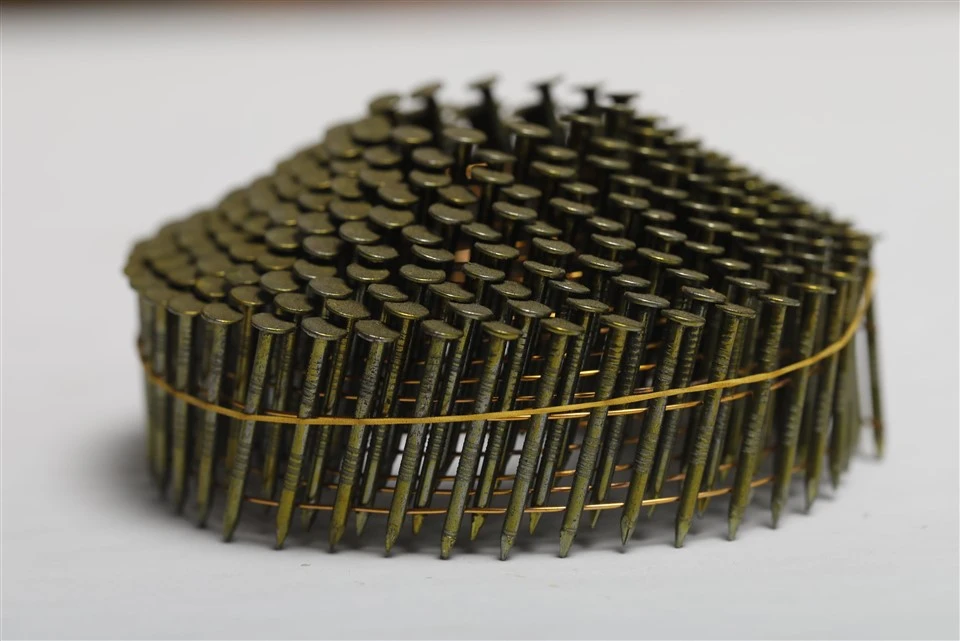
First off, let's quickly go over what ring shank coil nails are. These nails have a unique design with rings or ridges along the shank. This design feature provides a much stronger grip compared to regular smooth - shank nails. The rings dig into the wood, creating friction that helps keep the nail firmly in place. They come in various sizes and styles, such as Ring Shank Jumbo Coil Nails, Diamond Point Ring Shank Coil Nails, and 2.1x32mm/2.1x38mm Conical (dome) Ring Shank Wire Coil Nails.
Advantages of Using Ring Shank Coil Nails for Baseboards
1. Superior Holding Power
One of the biggest advantages of using ring shank coil nails for baseboard installation is their superior holding power. Baseboards need to be securely attached to the wall to prevent them from coming loose over time. The rings on the shank of these nails grip the wood fibers tightly, reducing the chances of the baseboard popping off. This is especially important in high - traffic areas or places where the baseboard might get bumped into.
2. Resistance to Vibration
Homes are full of vibrations, whether it's from people walking around, doors opening and closing, or even appliances running. Ring shank coil nails are more resistant to these vibrations compared to smooth - shank nails. The friction created by the rings helps absorb and dissipate the energy from vibrations, keeping the baseboard firmly in place.
3. Faster Installation
Coil nails are designed to be used with coil nailers. These nailers can fire nails quickly, which means you can install baseboards much faster compared to using a hammer and individual nails. This not only saves you time but also reduces fatigue, especially if you're working on a large project.
Considerations When Using Ring Shank Coil Nails for Baseboards
1. Nail Size
Choosing the right nail size is crucial. If the nails are too short, they won't provide enough holding power. On the other hand, if they're too long, they might go through the baseboard and damage the wall behind it. For most standard baseboards, nails that are around 1 - 1.5 inches long are a good choice. However, you should always refer to the manufacturer's recommendations for the specific baseboard and wall material you're working with.
2. Wall Material
The type of wall material also matters. If you're installing baseboards on drywall, you need to make sure the nails are long enough to penetrate the drywall and into the wall studs behind it. For plaster walls, the process might be a bit more challenging, as plaster is more brittle. You may need to pre - drill holes to prevent the plaster from cracking.
3. Wood Type of the Baseboard
Different types of wood have different densities. Hardwoods are denser and require nails with more holding power. Ring shank coil nails are a great option for hardwood baseboards because of their superior grip. Softwoods, on the other hand, are less dense and might not require as much holding power, but using ring shank nails can still provide added security.
How to Install Baseboards with Ring Shank Coil Nails
1. Prepare the Baseboard and Wall
First, measure and cut the baseboards to the appropriate length. Make sure the ends are cut at the correct angles for corners. Then, clean the wall surface where the baseboard will be installed to remove any dirt or debris.
2. Set Up the Coil Nailer
Load the ring shank coil nails into the nailer according to the manufacturer's instructions. Adjust the depth of the nailer so that the nails are driven flush with the surface of the baseboard without going too deep or leaving the nail head protruding.
3. Install the Baseboard
Start at one end of the wall and position the baseboard against the wall. Use the coil nailer to drive nails through the baseboard and into the wall studs. Space the nails about 12 - 16 inches apart along the length of the baseboard. For corners, make sure to nail at an angle to ensure a secure connection.
Comparing Ring Shank Coil Nails with Other Nail Types for Baseboard Installation
1. Smooth - Shank Nails
Smooth - shank nails are the most common type of nails. They're easy to find and relatively inexpensive. However, they don't have the same holding power as ring shank coil nails. Over time, smooth - shank nails can loosen, especially in areas with a lot of movement or vibration.

2. Finish Nails
Finish nails are small and are often used for a more decorative look. They're typically used for attaching trim pieces and can be countersunk and filled with wood putty to create a seamless finish. While they work well for small details, they may not provide enough holding power for larger baseboards.
Conclusion
So, can ring shank coil nails be used for installing baseboards? Absolutely! They offer superior holding power, resistance to vibration, and faster installation compared to other nail types. However, you need to consider factors like nail size, wall material, and the type of wood used for the baseboard.
If you're in the market for high - quality ring shank coil nails for your baseboard installation project, I'm here to help. Whether you need Ring Shank Jumbo Coil Nails, Diamond Point Ring Shank Coil Nails, or 2.1x32mm/2.1x38mm Conical (dome) Ring Shank Wire Coil Nails, I've got you covered. Contact me to discuss your specific needs and let's get your baseboard project off to a great start!
References
- "Nail Selection Guide" - Home Improvement Association
- "Baseboard Installation Best Practices" - Woodworking Magazine