

Can Collated Framing Nails Be Used for Constructing a Playhouse?
When it comes to constructing a playhouse, choosing the right fastening materials is crucial for ensuring the structure's stability, durability, and overall safety. Collated framing nails are a popular choice in the construction industry, but can they be effectively used for building a playhouse? As a supplier of collated framing nails, I'll delve into the details to help you make an informed decision.
Understanding Collated Framing Nails
Collated framing nails are designed to be used with nail guns, which significantly speeds up the nailing process compared to using a traditional hammer. They come in various types, including Paper Collated Framing Nails, 28 Degree Ring Shank Wire Framing Nails, and 21 Degree Plastic Framing Nails. Each type has its own unique features and benefits, making them suitable for different applications.
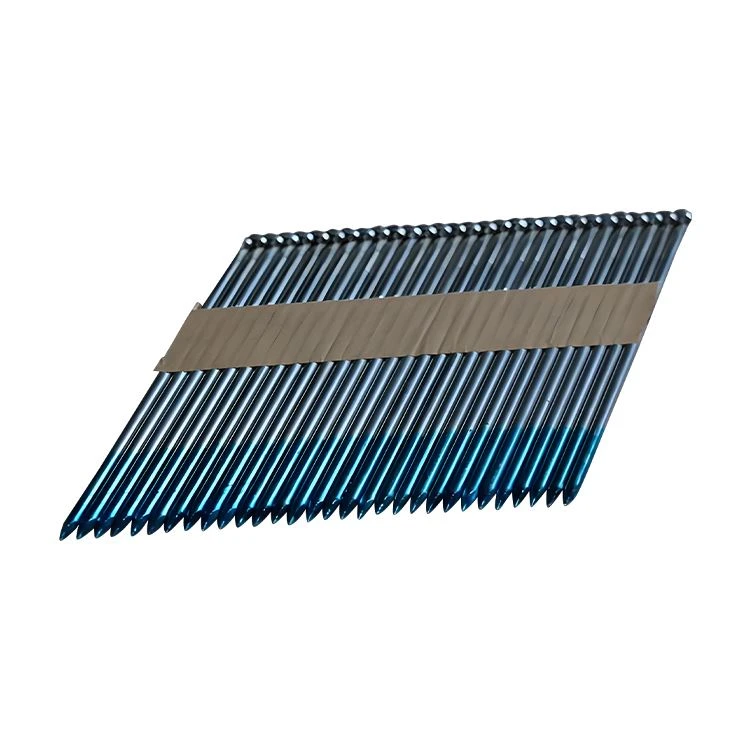
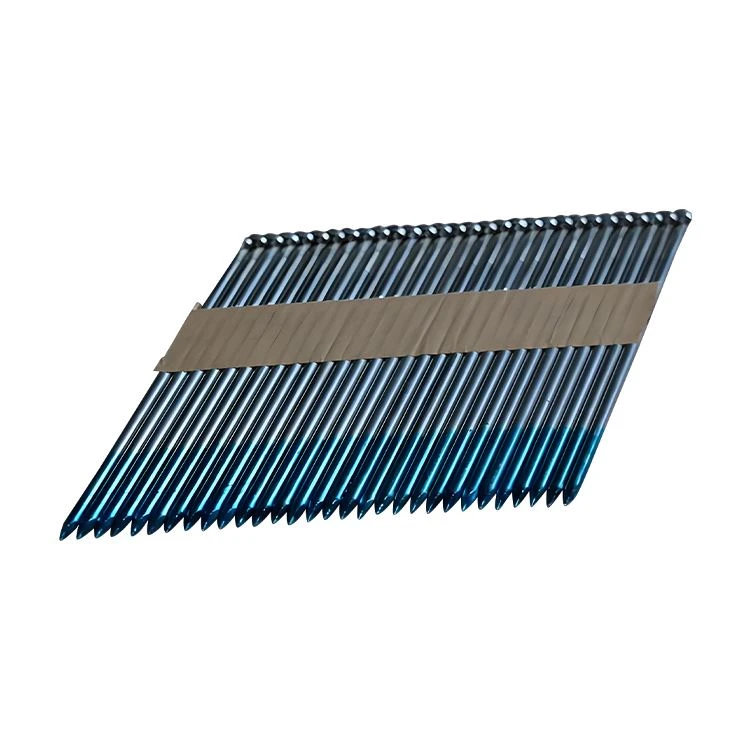
Paper collated framing nails are held together by a paper strip. They are often more affordable and are a good choice for general framing tasks. The paper strip burns cleanly, which is an advantage when working in areas where fire safety is a concern.
28 Degree Ring Shank Wire Framing Nails have a ring shank design that provides excellent holding power. The ring shank creates a mechanical bond with the wood, reducing the likelihood of the nails pulling out over time. These nails are ideal for applications where high strength and durability are required.
21 Degree Plastic Framing Nails are held together by a plastic strip. They are known for their smooth feeding in nail guns, which helps to prevent jams and ensures a consistent nailing process. Plastic collated nails are also resistant to moisture, making them suitable for outdoor projects.
Advantages of Using Collated Framing Nails for a Playhouse
- Speed and Efficiency: Using a nail gun with collated framing nails allows you to complete the construction of a playhouse much faster than using a hammer. This is especially beneficial if you're working on a tight schedule or if you're building the playhouse on your own.
- Consistent Nail Placement: Nail guns are designed to drive nails at a consistent depth and angle, which results in a more professional-looking finish. This is important for the structural integrity of the playhouse and also for its aesthetic appeal.
- Holding Power: Collated framing nails, especially those with ring shanks, provide excellent holding power. This ensures that the playhouse remains stable and secure, even when subjected to the normal wear and tear of children playing.
- Variety of Sizes and Types: Collated framing nails come in a wide range of sizes and types, allowing you to choose the right nails for different parts of the playhouse. For example, you might use larger nails for the framing and smaller nails for attaching trim or siding.
Considerations When Using Collated Framing Nails for a Playhouse
- Wood Type and Thickness: Different types of wood have different densities and hardness levels, which can affect the performance of the nails. It's important to choose the right size and type of nails based on the wood you're using. For example, softer woods may require shorter nails, while harder woods may require longer nails with more holding power.
- Structural Requirements: The playhouse needs to be able to withstand the weight of children, as well as the forces of wind and other environmental factors. Make sure to use nails that are appropriate for the structural requirements of the playhouse. This may involve using nails with higher shear strength or using additional fasteners in critical areas.
- Safety: When using a nail gun, it's important to follow all safety precautions. This includes wearing appropriate safety gear, such as safety glasses and ear protection, and ensuring that the nail gun is properly maintained and used according to the manufacturer's instructions.
- Outdoor Exposure: If the playhouse is going to be located outdoors, you'll need to consider the effects of moisture and weather on the nails. Choose nails that are made from corrosion-resistant materials, such as galvanized or stainless steel, to prevent rust and deterioration.
Tips for Using Collated Framing Nails in Playhouse Construction
- Test the Nail Gun: Before you start using the nail gun on the playhouse, test it on a scrap piece of wood to make sure it's working properly and that the nails are being driven at the right depth and angle.
- Use the Right Size Nails: Refer to the manufacturer's recommendations for the appropriate nail size based on the wood type and thickness. Using nails that are too short or too long can compromise the structural integrity of the playhouse.
- Stagger the Nails: When nailing joints, stagger the nails to distribute the load evenly and prevent splitting of the wood.
- Inspect the Nails Regularly: After the playhouse is completed, inspect the nails periodically to make sure they're still secure and in good condition. If you notice any loose or damaged nails, replace them immediately.
Conclusion
Collated framing nails can be an excellent choice for constructing a playhouse. They offer speed, efficiency, and excellent holding power, making them a popular option among DIYers and professional builders alike. However, it's important to consider the specific requirements of the playhouse, such as the wood type, structural requirements, and outdoor exposure, when choosing the right nails. By following the tips and guidelines outlined in this article, you can ensure that your playhouse is built to last and provides a safe and enjoyable space for children to play.
If you're interested in purchasing collated framing nails for your playhouse construction project, I invite you to contact us for more information. We offer a wide range of high-quality collated framing nails at competitive prices, and our team of experts is always available to assist you in choosing the right nails for your specific needs.
References
- "Building a Playhouse: A Comprehensive Guide" by DIY Home Improvement Magazine
- "Nail Gun Safety and Best Practices" by the National Institute for Occupational Safety and Health (NIOSH)
- "Woodworking and Construction Handbook" by the American Wood Council