

Hey there! As a supplier of collated framing nails, I often get asked if these little guys are environmentally friendly. It's a hot topic these days, and for good reason. We're all trying to do our part to protect the planet, so let's dig into this question and see what we find.
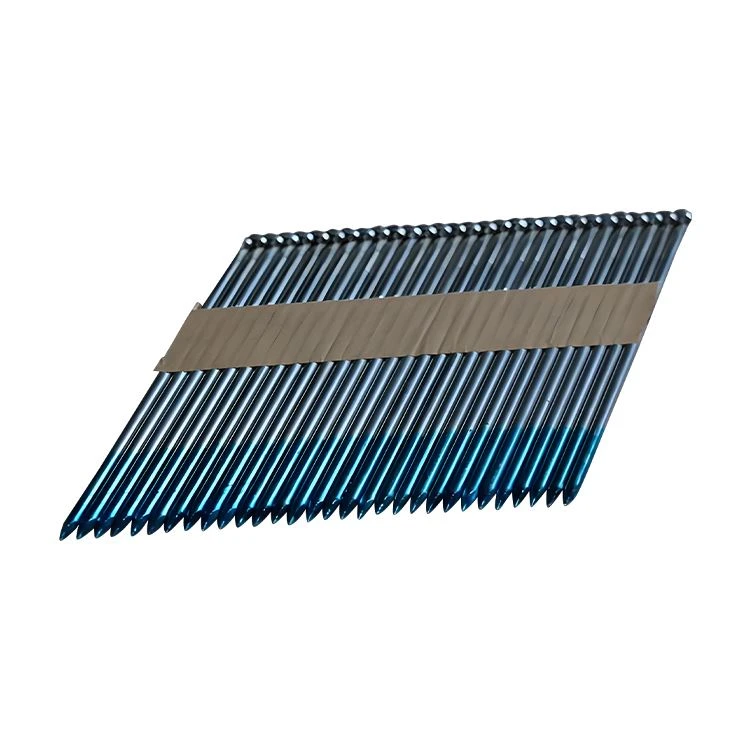
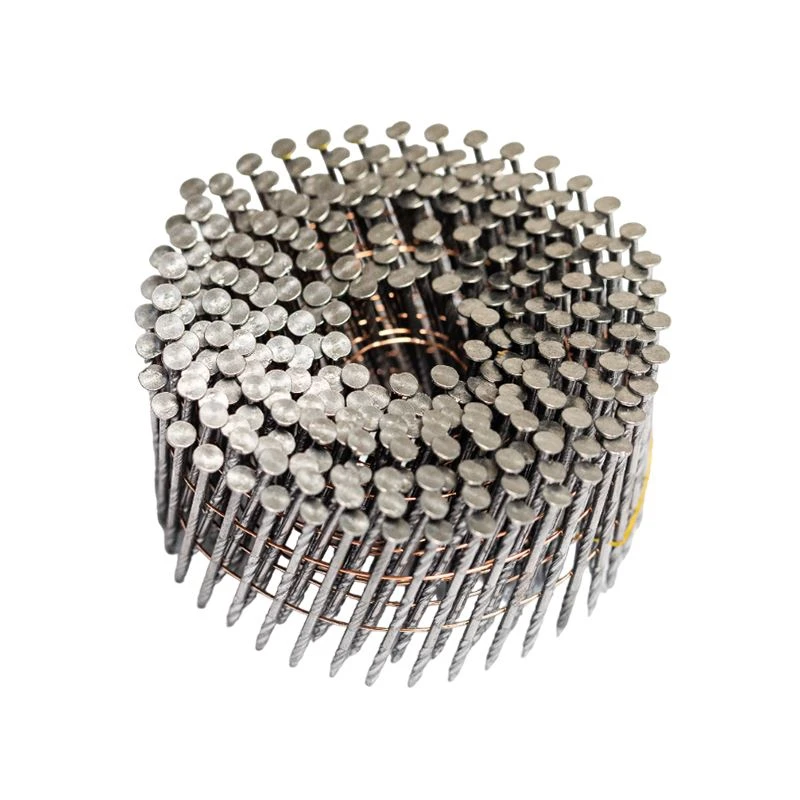
First off, let's talk about what collated framing nails are. They're basically nails that are held together in a strip or coil, which makes them super easy to use with a nail gun. This type of nail is commonly used in construction for framing, sheathing, and other heavy - duty jobs.
The Material Aspect
Most collated framing nails are made of steel. Steel has some pros and cons when it comes to the environment. On the plus side, steel is one of the most recycled materials in the world. According to industry stats, a large portion of the steel used to make new products comes from recycled sources. This means that when you buy steel collated framing nails, there's a good chance that a significant part of the metal has been recycled. Recycling steel helps reduce the demand for virgin iron ore, which in turn decreases the environmental impact of mining.
However, the production of steel isn't all sunshine and rainbows. The steel - making process requires a massive amount of energy. High - temperature furnaces are used to melt and refine the iron, and these furnaces are often powered by fossil fuels. This energy consumption leads to the emission of greenhouse gases, such as carbon dioxide, which contribute to global warming.
But hey, the industry is making strides in this area. Many steel manufacturers are investing in new technologies to reduce their energy consumption and emissions. For instance, they're exploring the use of renewable energy sources to power their facilities and implementing more efficient production techniques.
Packaging and Coating
Another thing to consider is the packaging of collated framing nails. As a supplier, I can tell you that there are different types of collation. For example, Paper Collated Framing Nails use paper as the collation material. Paper is a natural and biodegradable material, which is a big plus for the environment. When the nails are used and the paper is discarded, it will break down over time without leaving a long - lasting footprint.
On the other hand, some nails are collated with plastic. Plastic can take hundreds of years to decompose in the environment. It can also end up in landfills, oceans, and other natural habitats, causing harm to wildlife. But there are now more eco - friendly plastic options available, such as biodegradable or recycled plastics.
Then there's the coating on the nails. Some nails have a galvanized coating to prevent rust. Galvanization involves applying a layer of zinc to the steel. While zinc is a natural element, the process of galvanizing can involve the use of chemicals and generate waste. However, if done properly, galvanized nails can last much longer, which means less frequent replacement and ultimately less waste in the long run.
Long - Term Use and Durability
One of the key aspects of environmental friendliness is the durability of the product. Collated framing nails are designed to be strong and long - lasting. When you use high - quality nails in construction, they can hold structures together for decades. This means that the building won't need to be repaired or rebuilt as often, which saves materials and energy.
For example, 21 - Degree Collated Framing Nails are known for their strength and reliability. They are used in heavy - duty applications where a secure hold is essential. By using these nails, builders can create long - lasting structures that have a lower environmental impact over their lifespan. The same goes for Smooth Shank Framing Nails, which are great for fast and easy installation and also offer good holding power.
Disposal and Recycling
When it comes to getting rid of collated framing nails, things get a bit tricky. In many cases, old nails can be recycled. But it depends on a few factors. If the nails are mixed with other materials in a demolition site, it can be difficult to separate them for recycling. However, if the nails are removed and collected separately, they can be easily sent to a recycling facility.
As a supplier, I encourage my customers to think about recycling when they're done with their nails. It's a small step, but it can make a big difference in reducing waste and conserving resources.
Making the Case for Collated Framing Nails
Overall, while collated framing nails aren't perfect from an environmental perspective, they do have some green aspects. The recyclability of steel, the potential for eco - friendly packaging, and the durability of the nails all work in their favor. And with the continuous improvement in manufacturing processes, the environmental impact of these nails is likely to decrease even further.
So, if you're in the construction business or a DIY enthusiast, you can feel a bit better about using collated framing nails. They're a practical and, to some extent, environmentally responsible choice.
If you're interested in purchasing high - quality collated framing nails, I'd love to have a chat with you. We offer a wide range of options to suit your needs, whether you're working on a small home project or a large - scale construction job. Just reach out, and we can discuss the best products for your specific requirements.
References
- Steel Recycling Institute: Data on steel recycling rates and environmental impact of steel production.
- Construction Industry Research Reports: Studies on the durability of construction nails and their long - term environmental effects.
- Packaging Materials Research: Information on biodegradable and recycled packaging options for nails.